

Nature’s Blueprint: Corn Next and Dr. Chen Challenge the "Bioplastic" Status Quo in London
Nature’s Blueprint: Corn Next and Dr. Chen Challenge the "Bioplastic" Status Quo in London
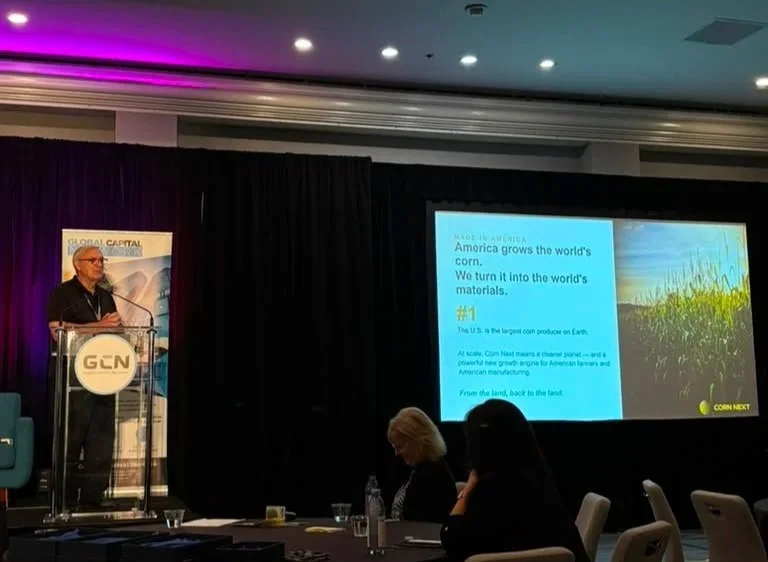
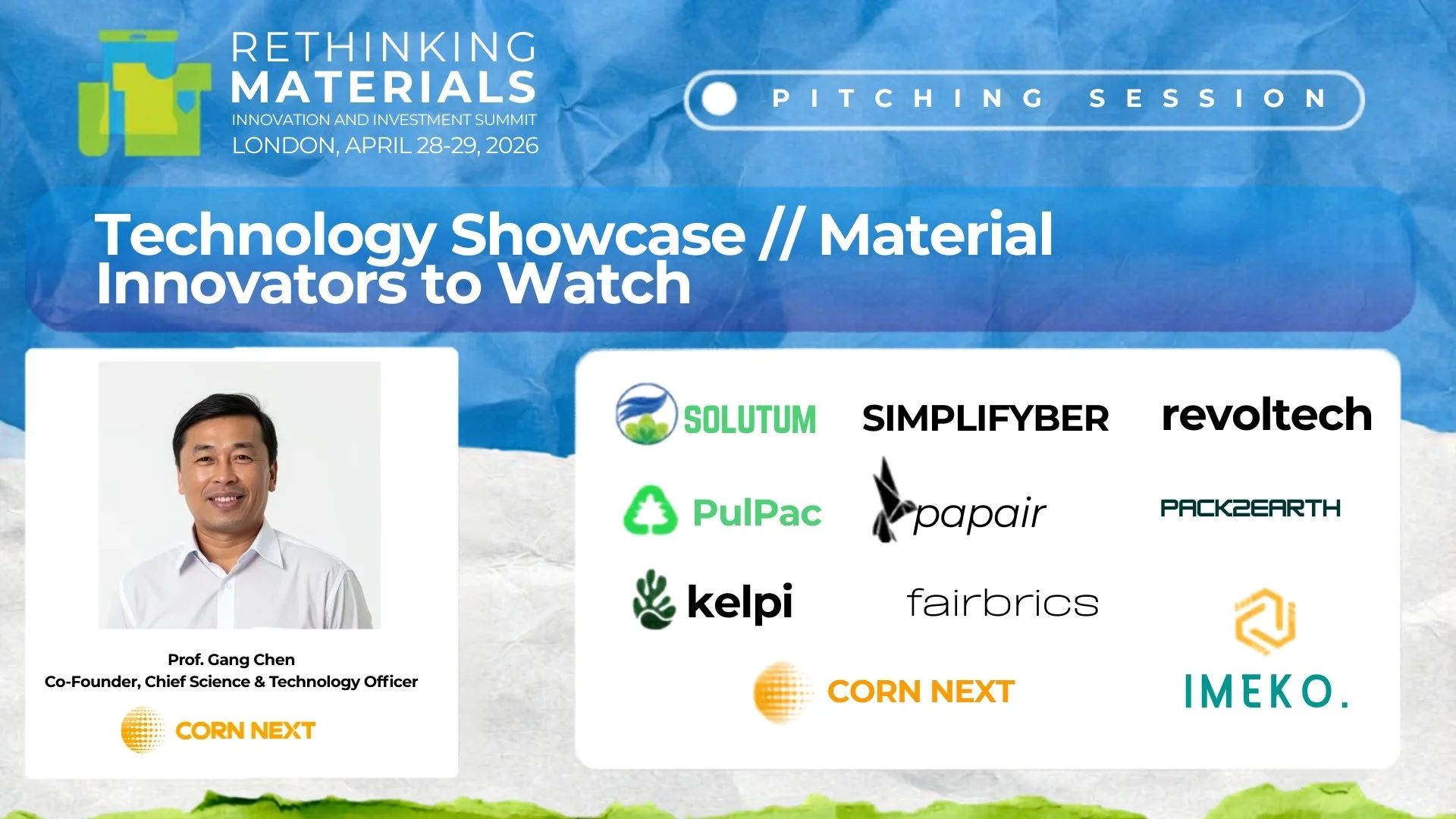
The global materials community recently converged at the Hilton London Bankside for the Rethinking Materials Summit 2026 (April 28–29). As a premier international gathering of brands, investors, and policymakers, the event’s mission was clear: to accelerate the next generation of high-impact, circular materials that can decouple growth from fossil resources.
For Corn Next, this wasn't just another industry event. It was a platform to challenge the status quo of "green" materials.
A Keynote with a Mission: Dr. Chen Takes the Stage
Our Chief Scientist, Dr. Chen, delivered a powerful keynote address that cut through the noise of the summit. Amidst sessions featuring leaders from the Ellen MacArthur Foundation, Coca-Cola Europacific Partners, and Unilever, Dr. Chen brought the focus back to a fundamental scientific reality: the infrastructure gap.
While the summit explored themes like "From Policy to Practice" and "Regenerative Materials," Dr. Chen addressed the hard truth that many "degradable" polymers still require industrial composting—facilities that simply do not exist for most of the global population.
"The future of sustainable materials will not be built by making plastic look greener. It will be built by returning to nature — and designing materials nature already knows how to accept." — Dr. Chen
What Rethinking Materials 2026 Was All About
This year’s summit was built around several critical pillars that align perfectly with our work at Corn Next:
Nature-Inspired Innovation: Moving toward biomimicry and natural occurring polymers that transform consumer products.
Scalable Low-Carbon Solutions: Identifying technologies that can integrate into existing supply chains without a massive "green premium."
Upstream Innovation: Designing out waste at the material selection stage, rather than trying to fix it at the end of life.
The CornNext-17 Breakthrough
During the summit, we showcased CornNext-17, our answer to the material barriers discussed by global experts. Unlike the synthetic hybrids or PHAs often featured in the "Start-Up Arena," CornNext-17 is a 100% natural polysaccharide material.
Truly Circular: Made from non-food-grade industrial corn starch, water, and natural enzymes through a patented bio-fermentation process.
Environmentally Agnostic: Because it preserves natural structures, it degrades in real-world conditions—soil, seawater, and home composting—without leaving microplastics.
Certified & Ready: We shared our recent milestones, including USDA BioPreferred certification and clearing Phase I of the USDA Section 9003 program, signaling our readiness for large-scale U.S. production.
Bridging the Gap: From London to the World
Dr. Chen’s visit to London was focused on three strategic goals:
Piloting with Global Brands: Connecting with companies ready to move beyond "traditional" bioplastics to true natural materials.
Manufacturing Partnerships: Meeting leaders to scale production via standard injection molding and extrusion.
Strategic Investment: Engaging with investors who understand that the next wave of innovation is in true material science, not just plastic modification.
The Verdict: It’s Time to Return to Nature
The consensus from Rethinking Materials 2026 is that the industry is at a turning point. As global policies tighten and consumers demand real transparency, the "microplastic-free" movement is no longer optional.
CornNext-17 is not just a bioplastic; it is a natural material designed for the next generation of disposable products. We are returning from London more committed than ever to solving the problem of products used for minutes but left for centuries.
Interested in the data behind CornNext-17? Contact us to receive our latest white paper or request a sample.
Flavor, Tech, and a Packed House: Our Earth Day Takeover at The Grant
Flavor, Tech, and a Packed House: Our Earth Day Takeover at The Grant
Sustainability usually gets a reputation for being "boring"—until you see it in the middle of a packed bar on a Wednesday night.
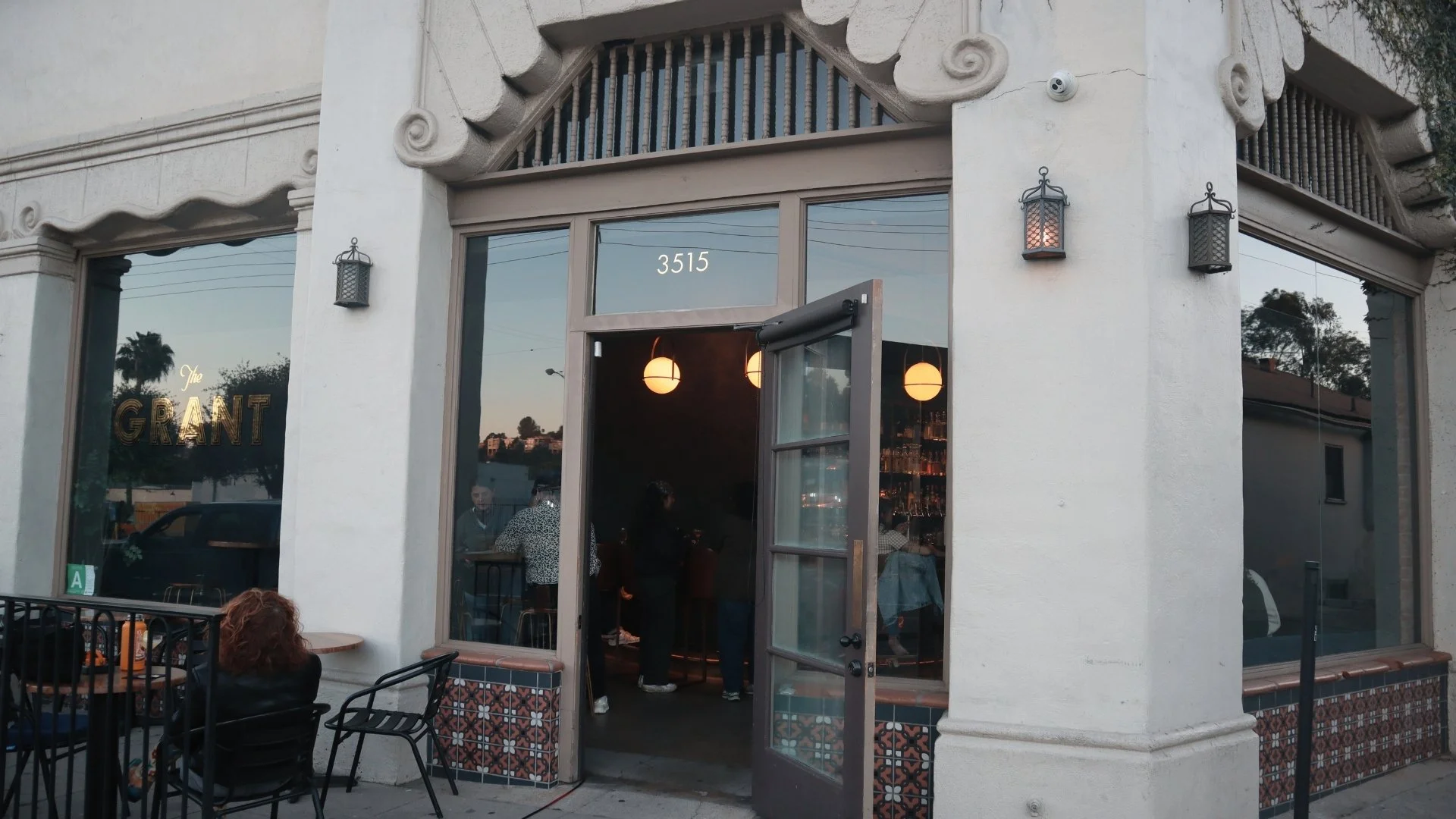
This past Earth Day (April 22nd), the Corn Next team took over The Grant to prove that eco-friendly innovation doesn't have to be a compromise. The result? A wall-to-wall crowd, electric energy, and a whole lot of people finally ditching soggy paper for something better.
The Scene
From the moment service started, the buzz was centered on the bar. Guests weren't just ordering drinks; they were asking about the tech in their hands. It was a pleasure to have Michael, the owner of The Grant, join us for the festivities. His commitment to bringing new, community-focused experiences to the neighborhood is what made this collaboration such a natural fit.
The "Expert" Behind the Bar
If you’ve been to The Grant, you know Danny. He was our lead ambassador for the night, managing a high-volume rush while educating every guest on the science behind our straws. Whether he was pairing a Classic straw with a signature cocktail or adding a zesty punch with our Lemon variety, Danny made sure every guest knew they were sipping on the future of sustainable tech.
The "While Supplies Last" Warning
We know not everyone could make it out for the mid-week celebration, but we didn’t want you to miss out entirely. Before we headed out, we stocked the bar with a fresh supply of Corn Next straws.
They are available at The Grant right now, but only until they run out. Next time you’re in, ask Danny for a Corn Next straw with your order. We want you to feel the difference for yourself—no melting, no sogginess, just a perfectly held drink from the first sip to the last.
Why It Matters
Seeing the local community engage so deeply with what we’re building at Corn Next was the best Earth Day gift we could ask for. It’s one thing to talk about innovation; it’s another to see it held in a hundred hands at once.
Thanks to the team at The Grant and everyone who came out to make the night a success. Stay tuned—this is just the beginning.
Earth Day 2026: The 60x40 Goal and Why Microplastics Are the Next Frontier
Earth Day 2026: The 60x40 Goal and Why Microplastics Are the Next Frontier
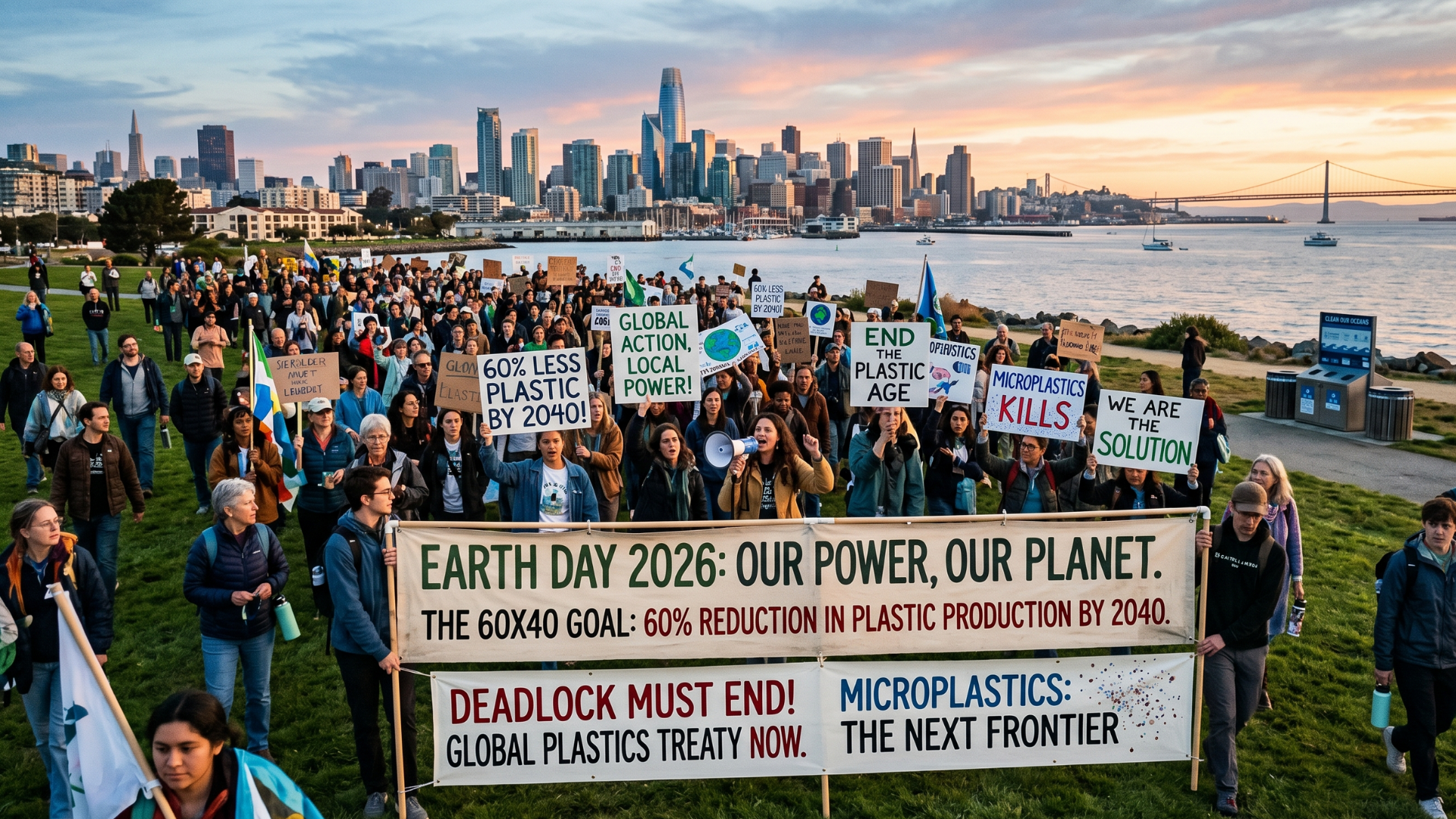
As the sun rises on Earth Day 2026, the global environmental movement has found its most defiant rallying cry yet: "Our Power, Our Planet." This year’s theme is a direct call to civic action—a reminder that real change no longer waits for good-faith negotiations alone. While world leaders continue to navigate the deadlock of the Global Plastics Treaty talks, the 60x40 initiative has become the baseline for our survival. This movement demands a 60% reduction in plastic production by 2040.
For decades, we were told the solution to our plastic crisis lived in our blue recycling bins. However, as we stand here in 2026, the math has failed us. With 95% of plastic in the U.S. still evading the recycling stream—and more plastic produced in the last ten years than the entire 20th century—we have reached a breaking point. We are officially moving past waste management and into the era of production elimination.
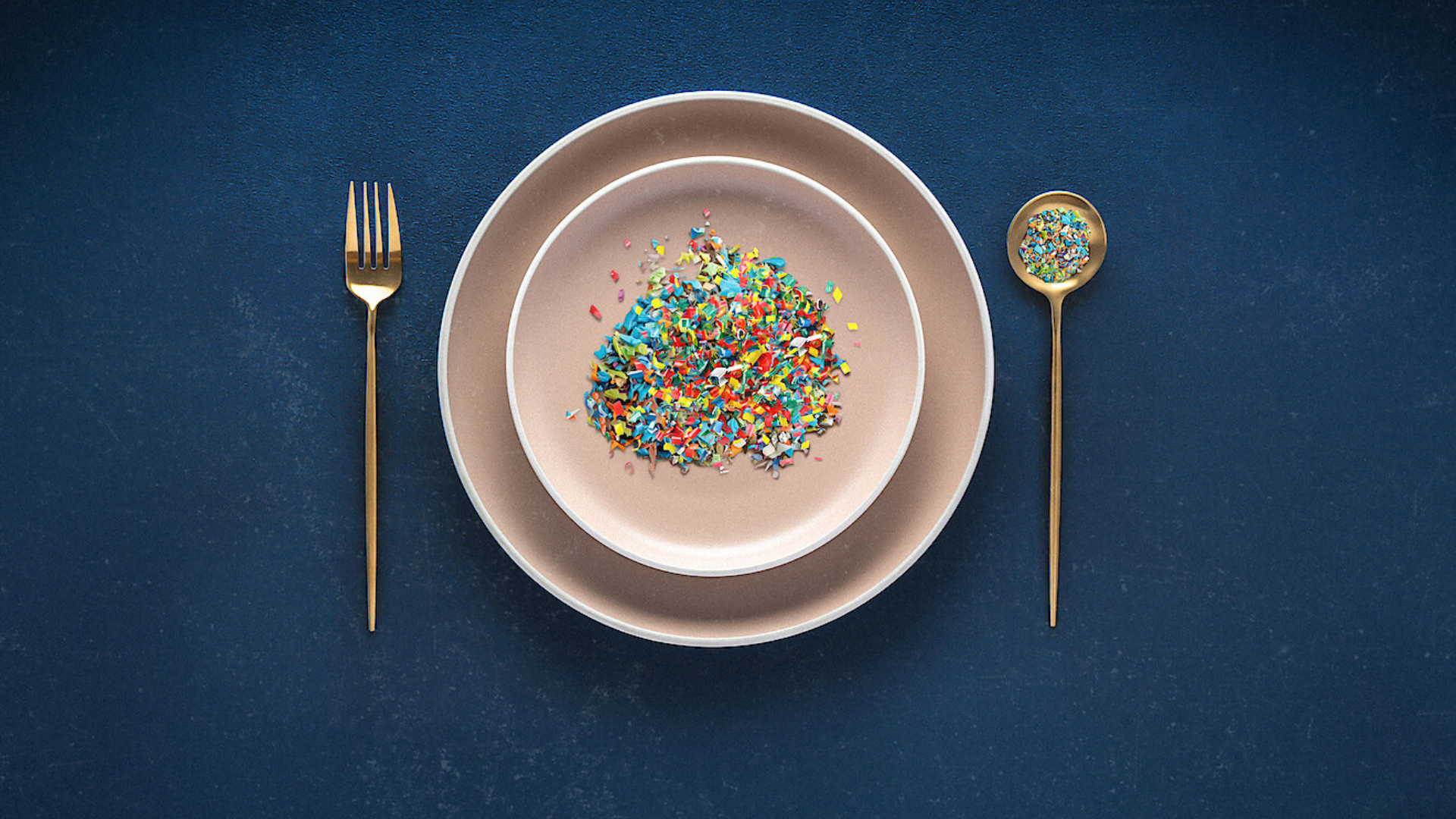
The urgency is no longer just about the health of our oceans; it is now about the health of our bodies. Research published in 2026 confirms that microplastics have transitioned from an environmental blight to a biological one—now detected in 80% of human blood samples. These "forever particles" shed from our synthetic clothing and leach from traditional packaging into our food. In 2026, we are finally facing a hard truth: we haven't just polluted the planet—we have become the product itself.
This is where the mission at CornNext meets the global moment. We believe that true sustainability is not just about the absence of waste; instead, it is about the presence of better design. The 60x40 goal is only achievable if we provide a bridge from the petroleum-dependent past to a bio-innovative future. By championing material innovation, we are proving that plant-based, truly compostable solutions are the only viable path to 2040. We do not just need to use less—we need to design better.
The weight of this transition lives in our collective choices. To win the battle of Planet vs. Plastics in 2026, we must adopt a new set of standards. Here is how we navigate the 5 R’s of a plastic-free future:
Refuse: Exercise your power as a consumer by saying "no" to things you don't need—like plastic straws, single-use cutlery, and excess packaging—before they ever enter your home.
Reduce: Use less and cut back on consumption. By selecting products with minimal packaging and buying only what is necessary, we conserve resources and generate less garbage.
+1
Reuse: Extend the life of your belongings by choosing durable, high-quality alternatives—like metal water bottles and cloth bags—instead of disposables that feed a throw-away culture.
Repurpose: Get creative and find new uses for items that have outlived their original purpose—often called upcycling—to keep waste out of landfills and give materials a second life.
Recycle: As the final step in the hierarchy, ensure that any remaining waste is sorted correctly. While we strive for production elimination, recycling ensures that the plastic we do use is processed into something new rather than left to pollute.
The 60x40 goal is a challenge to our ingenuity. This Earth Day, let's use Our Power to ensure our legacy is the nature we preserved—not the plastic we left behind.
The Plastic Detox: Can We Actually Purge Our Lives of Microplastics?
The Plastic Detox: Can We Actually Purge Our Lives of Microplastics?
If you’ve logged into Netflix lately, you’ve likely seen the trending documentary, "The Plastic Detox." Released on March 16th, it follows six couples struggling with unexplained infertility as they undergo a grueling 90-day challenge: removing every trace of plastic and endocrine-disrupting chemicals (EDCs) from their daily lives.
The results were startling. Guided by Dr. Shanna Swan, a leading reproductive epidemiologist, the participants swapped plastic containers for glass and synthetic fibers for natural ones. By the end of the experiment, they saw a significant drop in the chemical levels in their bodies—and some even achieved the pregnancies they had been dreaming of for years.
But for many viewers, the film left behind a lingering question: In a world made of plastic, is a total detox even possible for the rest of us?
The Problem: It’s Not Just "Trash" — It’s Our Health
The documentary highlights that we aren't just "using" plastic; we are absorbing it. Microplastics—tiny fragments that break off from larger pieces—and chemicals like Phthalates (which make plastic flexible) and Bisphenols/BPA (which make it hard) are everywhere.
According to Dr. Swan, these chemicals are "endocrine disruptors" that mimic our hormones, interfering with everything from fertility to immune function. As the film reveals, our skin can absorb more than 60% of the chemicals it touches, and heat—like microwaving a plastic container—causes these toxins to leach directly into our food.
The "Whack-a-Mole" Trap
For the average person, "detoxing" feels impossible because most "alternatives" aren't actually clean. The Netflix Tudum feature points out a frustrating reality Dr. Swan calls "whack-a-mole": when manufacturers remove BPA, they often replace it with another bisphenol that carries the same risks. Even many "bioplastics" (like PLA) still require industrial composting and can leave behind synthetic residues that don't truly disappear.
The Solution: A True Detox with CornNext-17
At Corn Next, we watched "The Plastic Detox" with a sense of urgency. The film proves that reducing exposure works—but it also shows how hard it is to find products that are truly safe and don't just "hide" the plastic.
This is why we created CornNext-17. We didn't want to just make another "eco-friendly" plastic; we wanted to eliminate the plastic altogether.
Zero Microplastics & Chemicals: Unlike traditional bioplastics that just break into smaller, invisible pieces, our material is made from just three natural ingredients: corn starch, water, and natural enzymes. There are no Phthalates, no Bisphenols, and no "forever chemicals" (PFAS).
No Chemical Residue: Because we don't use the synthetic polymers or fillers mentioned in the documentary, there are no endocrine disruptors to worry about. It is 100% food-grade and non-toxic—safe for you and your family.
Back to Nature in as little as 30 Days: The documentary shows how it takes a full 90 days to see biological improvements in the human body. At Corn Next, we’ve engineered our materials to move even faster than that. While traditional "compostable" plastics can take months to break down, Corn Next products are designed to fully biodegrade in any natural environment—soil or water—in as little as 30 days. It is a clean cycle that restores the earth faster than a single human detox cycle.
The Takeaway
"The Plastic Detox" is a wake-up call, but as Dr. Swan mentions, we don't have to wait for government regulation to protect ourselves. We can choose better products today.
A plastic-free life doesn't have to mean moving to the woods; it starts with making smart swaps in your kitchen and daily routine. By switching to truly bio-based alternatives like Corn Next, you aren't just saving the ocean—you're protecting your own biology.
Ready to start your own detox? Check out our latest plastic-free, microplastic-free innovations at CornNext.com.
The Future of Materials is Compatible with Life
The Future of Materials is Compatible with Life
Plastic was designed to be durable, but the human body was not.
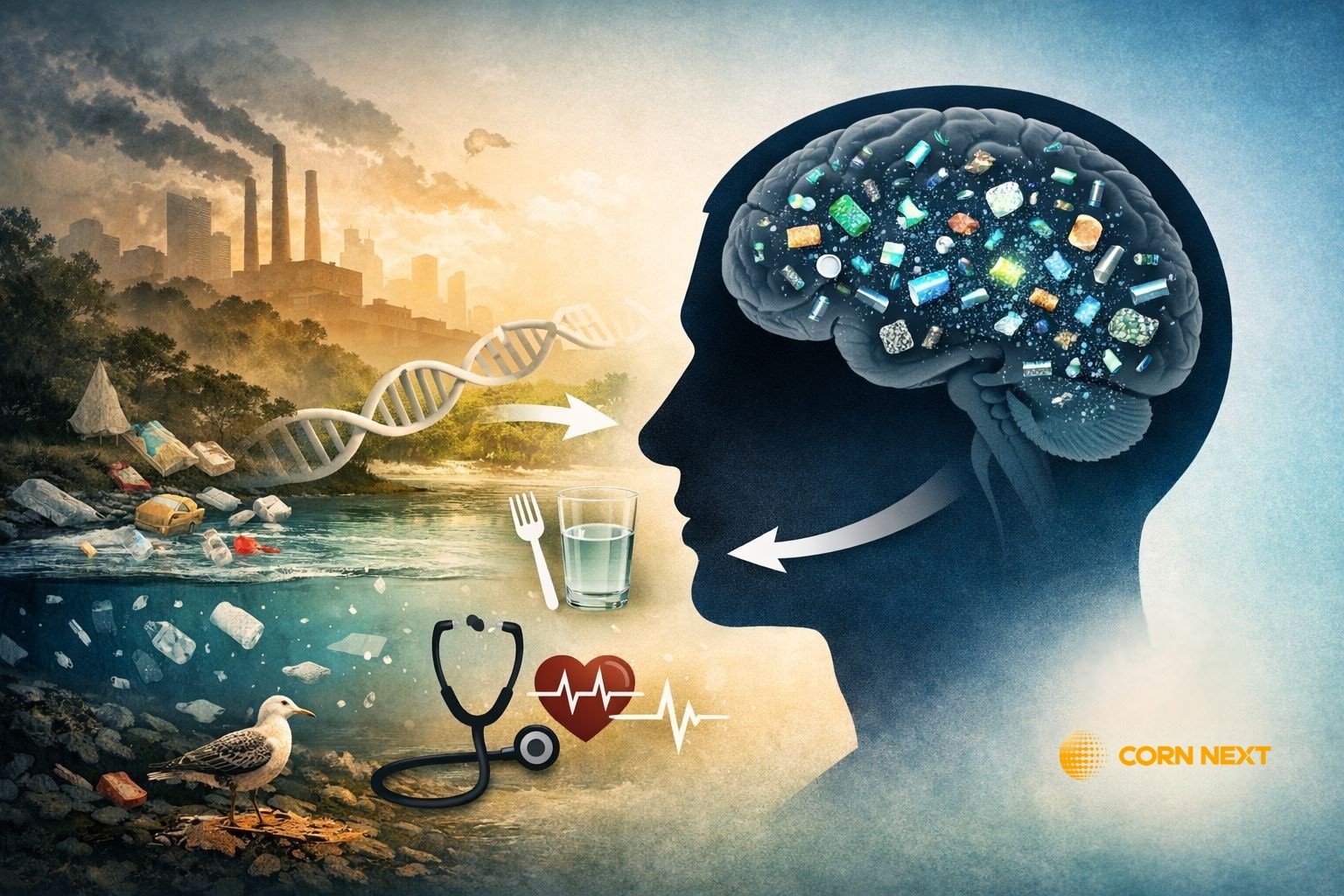
A recent study in Nature Medicine reported a reality that should make us all stop and think. Researchers found microplastics and nanoplastics in human organs, including the liver, kidneys, and even the brain. The most common material they found was Polyethylene. This is the exact same plastic used in everyday packaging and disposable products.
What is even more striking is that concentrations are higher in more recent samples. This reflects how quickly plastic is accumulating in our environment and, eventually, within ourselves. This discovery changes the conversation entirely. Plastic pollution is no longer just about our oceans or landfills. It is about whether our materials are actually compatible with life itself.
The Fundamental Mismatch
For decades, the industry focused on making plastic stronger, cheaper, and more durable. But when you use a "permanent" material for a product that is only used for a few minutes, you create a fundamental mismatch with nature.
At Corn Next, we experienced this mismatch firsthand. Last year, our team designed a powder scoop using our CornNext-17 material. It looked perfect on paper, but it kept failing fatigue tests. At first, we questioned the material and asked if the corn was simply not strong enough.
After months of testing, we realized the problem was not the material. It was our mindset. We were trying to design a natural material using "plastics thinking." This is a logic built for synthetic chemicals, not for nature. Our CEO made a firm decision late last year that we had to abandon the old rules. We went back to basics and redesigned the product to work with the natural properties of CornNext-17 rather than against them. This time, it passed every test. It proved that you cannot build the future using old rules.
Re-engineering Nature: The 2-Micron Breakthrough
Our journey began with a simple vision: materials that come from the earth and can safely return to the earth. However, we believe the future of material science is not just about swapping one product for another. It is about re-engineering the polymers themselves.
After years of research and development, our team is thrilled to share a massive milestone. We have successfully milled our CornNext-17 material into an ultra-fine, 2-micron powder. Even more exciting is that we have achieved stable cationization.
For those outside the lab, this matters because it transforms our material from a "plastic replacement" for items like straws into a versatile, bio-based functional polymer. This breakthrough allows us to enter high-value industrial sectors that have relied on petrochemicals for decades. We are now positioning our corn-based technology to perform in:
Paper and board manufacturing
Textile and fiber processing
Advanced coatings and adhesives
Water treatment and filtration
A Greener Future for Industry
The materials we choose do not just disappear. They accumulate in our world, and ultimately, they accumulate in us. Today, our vision is expanding from simple molded items into the very fabric of modern industry. We are harnessing nature’s sophisticated molecular architecture and enhancing it through smart science to meet industrial needs without harming the planet.
The future of industrial polymers is greener than we ever thought possible. If you are working in functional coatings, paper chemicals, or sustainable R&D, we want to connect. The shift starts at the source, and we are ready to build a future that is finally compatible with life.
Eight Years of Learning: From Corn Starch to Corn Next
Eight Years of Learning: From Corn Starch to Corn Next
People usually share the finished product, the polished version, or the success story. Today, we want to share something different.
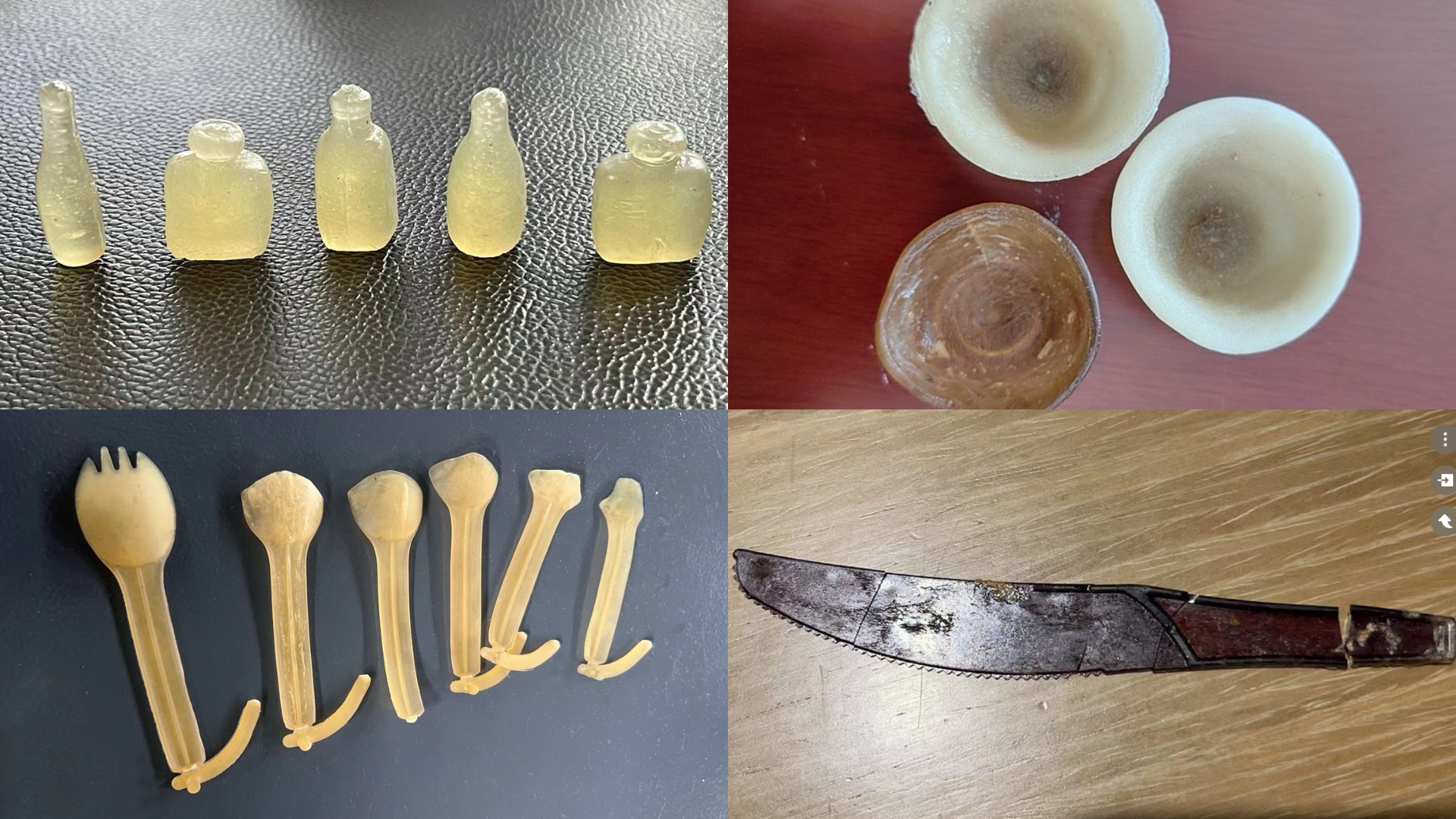
What you see in these photos are not perfect products. They are rough, broken, incomplete, and not yet usable. But they represent the most important milestones of the past eight years.
Our journey began in 2018 with the first solid tube made from pure corn starch. For the first time, we were able to turn corn starch into a solid, self-supporting form. It was fragile and unstable, far from practical use, but it proved something critical. Corn starch, without chemical modification, could become a structural material. That single breakthrough told us this journey was worth continuing.
From there, the work became slower and more complex. We moved from tubes to strips, learning how the material truly behaves under different conditions. These early samples may look insignificant, but each one represents countless failed attempts. We struggled with flow control, moisture balance, temperature limits, and repeated structural collapse. At times, the material would simply disappear inside the equipment. Progress only came when we stopped trying to force outcomes and began learning how to work with the material on its own terms.
Our first attempt at injection molding marked another important turning point. The result was a broken, incomplete knife, unusable by any standard. Yet it proved something bigger. The material could enter real industrial manufacturing systems. Not perfectly, and not without failure, but realistically. This moment shifted our work from pure experimentation toward real-world feasibility.
When the first cup was successfully formed, something changed again. We were no longer focused only on material behavior. We were beginning to think in terms of function. A container with a clear purpose made the work tangible, not just for us, but for anyone who could see it. It marked the transition from material research to practical application.
We also explored 3D printing, not as a production method, but as a way to further understand the material itself. The goal was never efficiency. It was learning. We needed to know whether the material could hold its form across different manufacturing processes. The answer was yes, but only through continued iteration and adjustment.
The first spoon followed. It was incomplete and far from refined, but it represented a crucial moment. For the first time, Corn Next began to resemble tableware rather than a laboratory sample. At that point, it became clear that this work had moved beyond research alone.
Eight years into this journey, we can say there were no shortcuts. We encountered faster and easier paths many times, but chose not to take them. We believe deeply that natural materials should not be forced to imitate plastic. They deserve to be treated as an entirely new material category, with their own properties, limitations, and possibilities.
True innovation is rarely the result of a single breakthrough. It is built through the accumulation of many imperfect steps, repeated failures, and hard-earned lessons.
Today, Corn Next has moved far beyond these early stages, but we keep every one of these samples. They remind us why we started, what we refused to compromise, and what we chose to protect. Every small step matters. Every failure leaves a trace forward.
This is how real materials are born.
2025 Year in Review
Each milestone reached in 2025 reflects steady momentum built through real use, real partnerships, and collective choice.
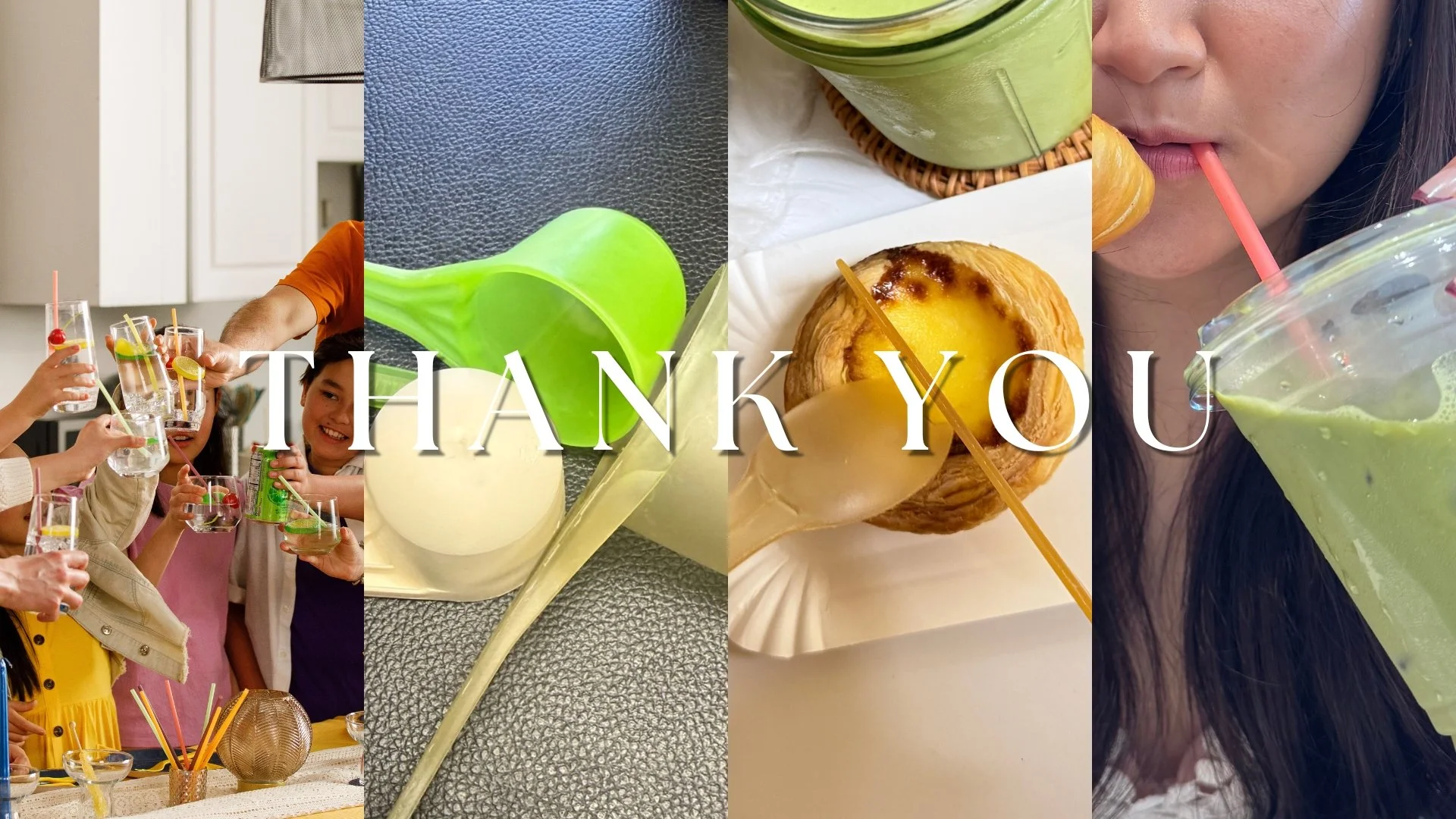
As Corn Next moves into 2026, our products, including straws, powder scoops, and cutlery, will begin scaling across foodservice, institutional, and consumer channels. At scale, impact is no longer incremental. It multiplies.
This is why we believe the future of materials is not about better plastics, but about reconnecting materials with natural cycles. Materials designed to perform in daily life and designed to return responsibly.
From the earth.
For daily life.
Back to the earth.
Thank you for being part of the Corn Next journey.