Billions of Plastic Powder Scoops Go Unnoticed Every Year
Powder scoops appear in products we use every day, but most end up as waste. This article explores why small plastic items create big environmental challenges and how natural materials can help change that.
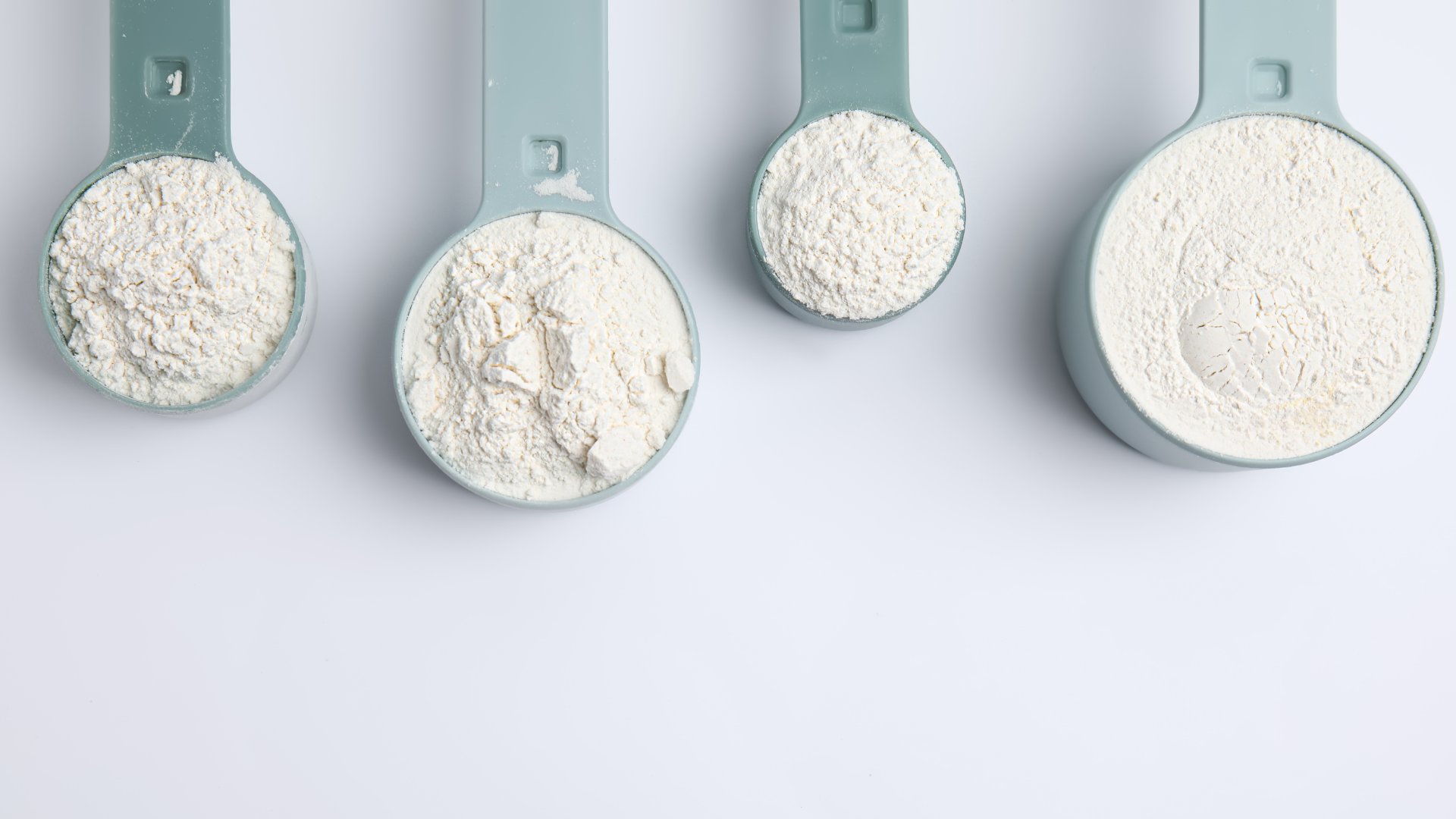
When we talk about plastic pollution, bottles, bags, and packaging often come to mind. Far less attention is paid to dry powder scoops, even though they appear in billions of households every year through products such as infant formula, protein powders, nutritional supplements, and laundry detergent.
Individually, a single scoop seems insignificant. At scale, however, the environmental impact is substantial. Due to their small size, most plastic powder scoops are not effectively recycled. Even in regions with advanced waste management systems, small items frequently escape sorting processes and end up in landfills, incineration, or the natural environment.
This challenge does not require consumers to change their behavior. It is fundamentally a materials design issue.
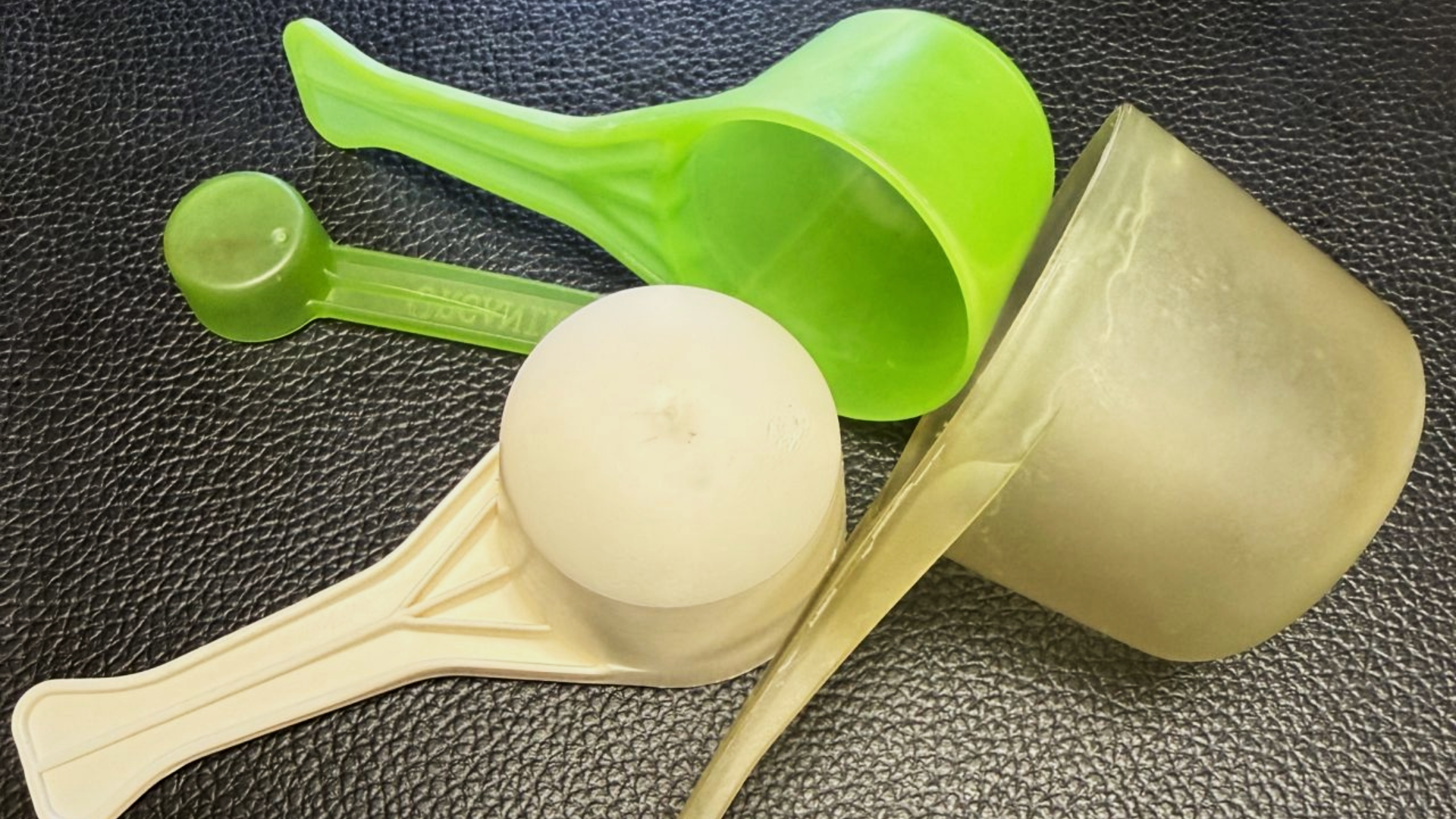
At Corn Next, we believe better materials can solve this problem at the source. Corn Next-17 is a natural material derived from corn starch through an enzymatic process. It is not traditional plastic and does not leave persistent plastic fragments at the end of its lifecycle.
By replacing plastic powder scoops with natural materials, plastic waste can be reduced quietly, continuously, and at scale. Sometimes meaningful sustainability progress does not come from sweeping changes, but from rethinking small, overlooked objects that appear billions of times each year.