

PATENTED · DIN EN 16785-1 · USDA CERTIFIED BIOBASED · BPI · FLUSTIX
Corn starch, water, enzymes.
Nothing else.
CornNext‑17 is a sustainable natural material with no binding agents and no additives. A polysaccharide from raw material to molded part. A patent temporarily reorders the starch so it binds; nature reorders it back. It runs on the general‑purpose forming equipment you already own, and it returns to soil and fresh water in as little as 30 days.
30 Days
the shortest time to degrade in the natural environment
2 hr
in room‑temperature drinks (24 °C / 75 °F)
> 4 hr
in iced drinks (4–5 °C / 40 °F)
0
industrial facilities required

For Industry Partners
A drop-in replacement for plastic in non-durable goods. It runs on general-purpose forming equipment, extrusion and injection molding, with a component upgrade, not a new machine. Grades for straws, cutlery, film and fiber.
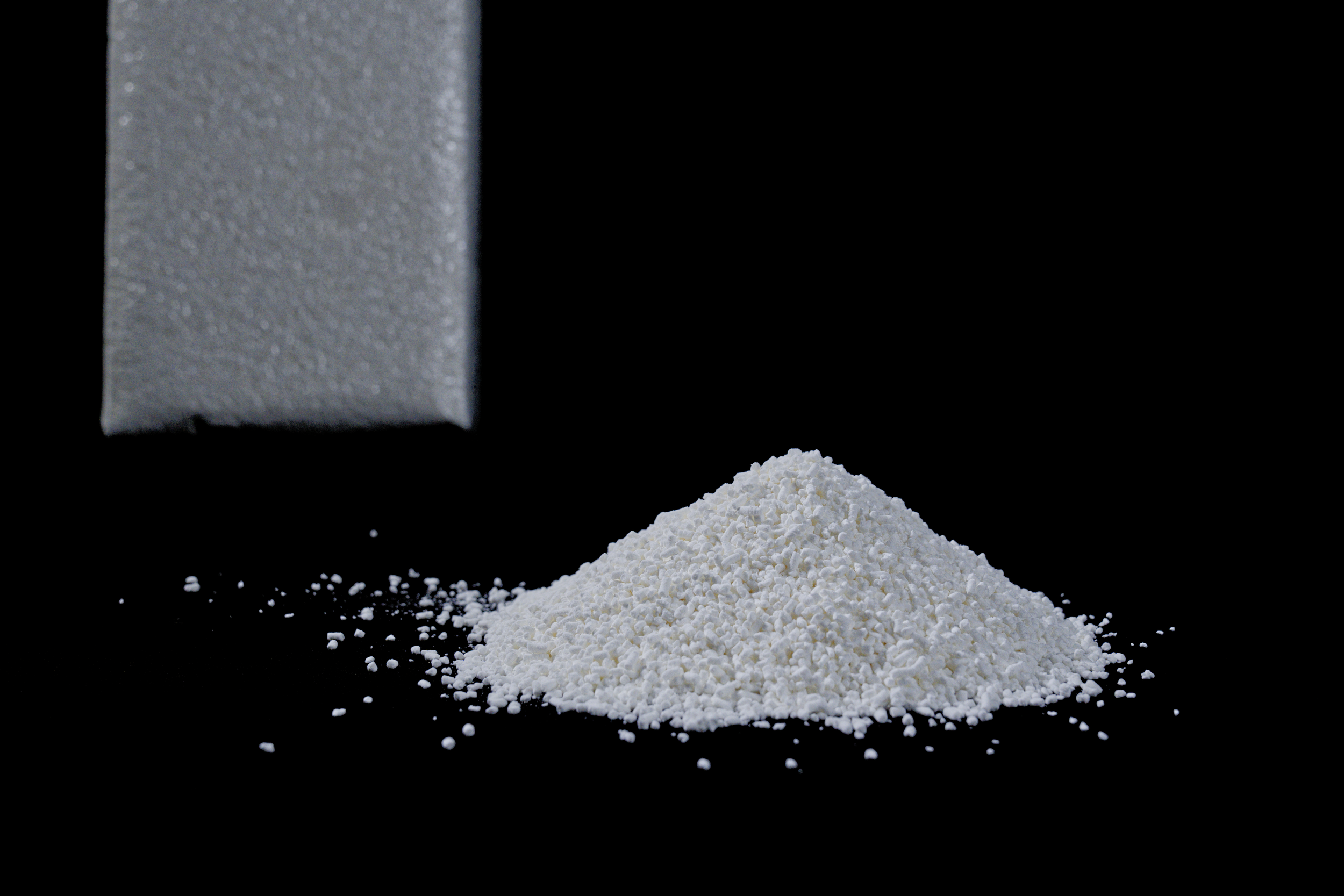
Shop Corn Next Straws
Lightly flavor‑infused drinking straws, and a plain one whose entire ingredient list is corn starch, water and enzymes.
The Evidence
Certified, not just claimed
We test the finished product, not just the raw material. From raw material to CornNext-17 to the finished part, it is the same material all the way through.
BPI
Industrial compostability
Flustix
Plastic-free, verified to 99.8%, the ceiling of the test method
USDA
Certified Biobased Product
DIN EN 16785-1
98% biobased content
Full certificates and test data available under NDA.
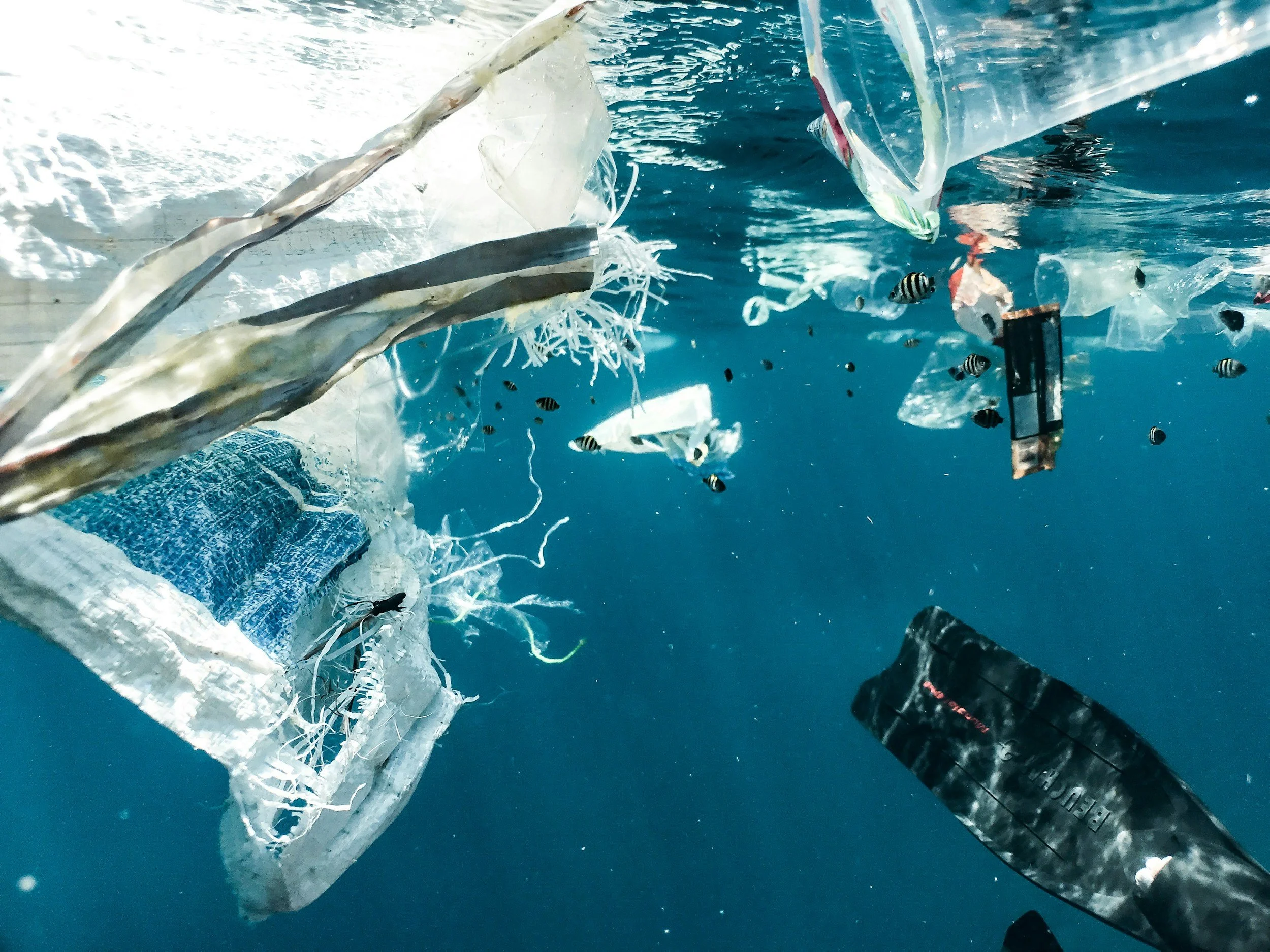
Plastic didn't fail.
It was designed for performance, sometimes far beyond the service life a non-durable product needs.
Plastic is irreplaceable in medicine, aviation and electronics. But for non-durable goods, plastic is not the right fit.
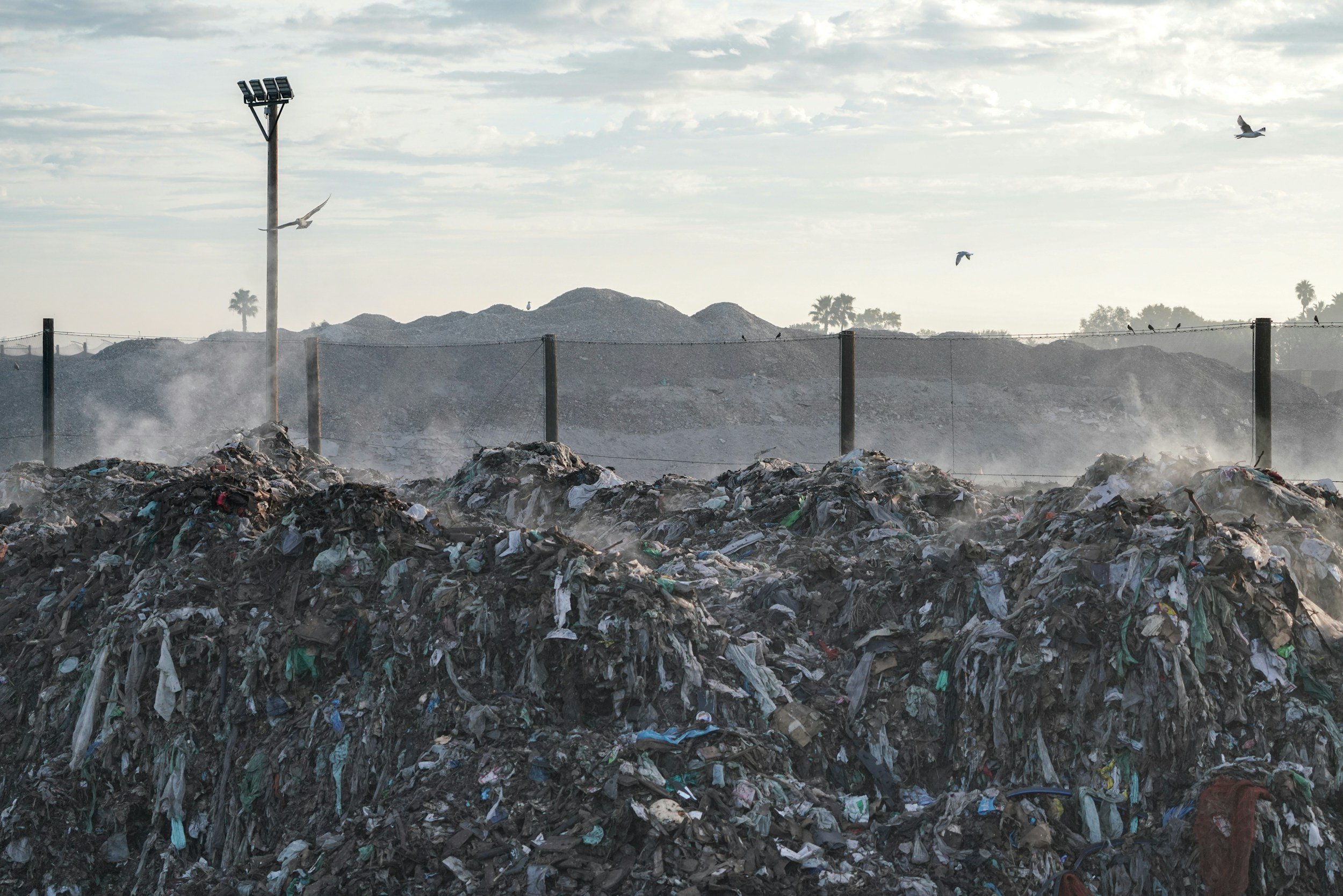
Recycling Numbers
We already tried recycling plastic. Here are the numbers.
For years, people have put their hope in recycling and composting to solve plastic pollution. These numbers tell another story.
- 9%
- of the world’s plastic waste is recycled
- 19%
- is burned
- 50%
- goes to landfill
- 22%
- is dumped, burned in the open, or left in soil and water
Global plastic waste, 2019: 353 million metric tons. Only 15% is collected for recycling, and 40% of that is discarded as residue before it is ever reprocessed. Source: OECD, Global Plastics Outlook (2022).
Why don't the numbers move?
Many non-durable goods have very low material value after use.
Collection, sorting, cleaning and reprocessing add to the burden on taxpayers, society and the environment.
Economics, contamination and local collection systems determine what is practically recoverable.
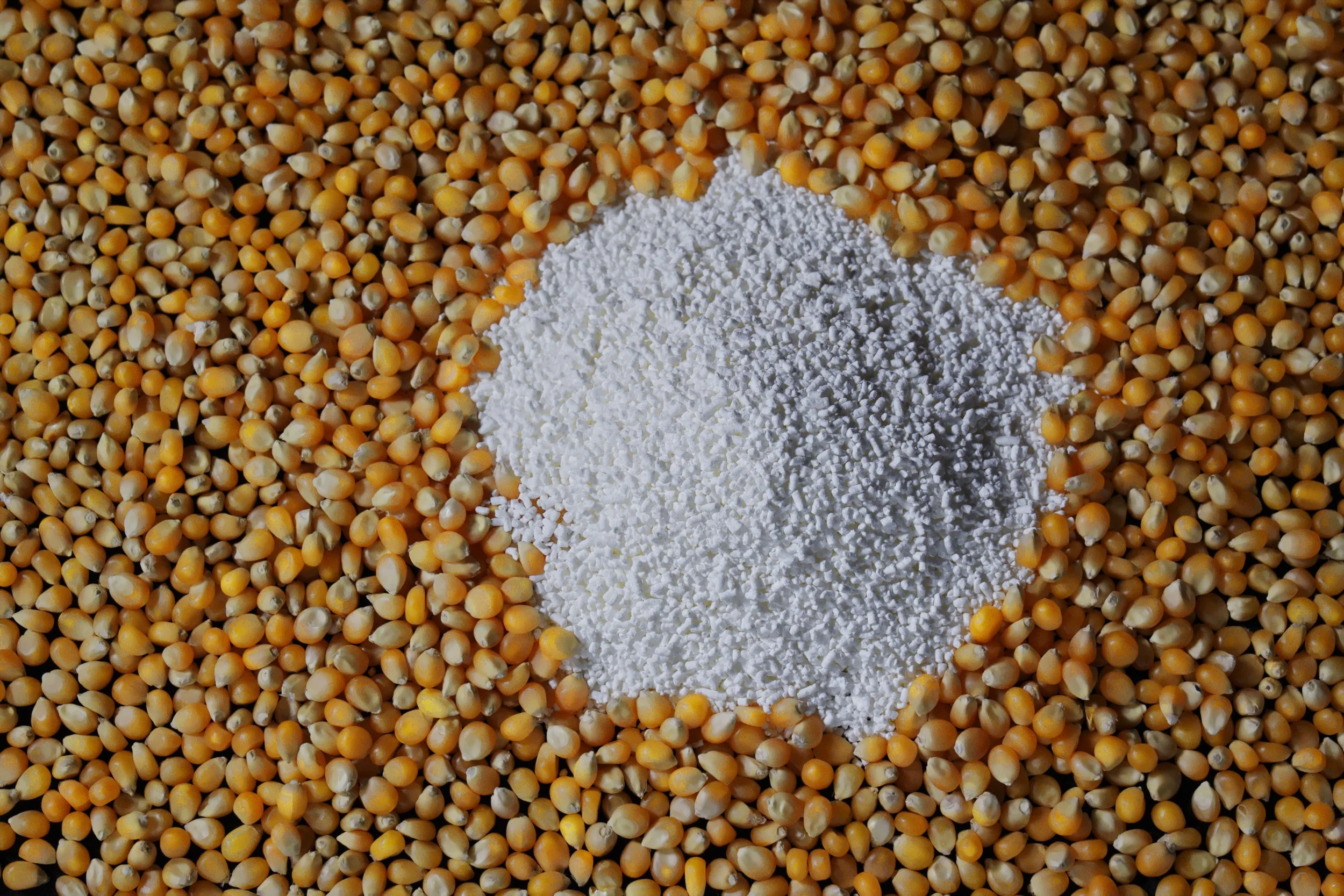
INTRODUCING
CornNext-17
A natural material made from corn starch.
CornNext-17 is a scalable, moldable, starch-based material platform developed for selected applications currently served by conventional plastic. Composition and end-of-life claims are stated by grade or finished product, each backed by its supporting test or certificate.
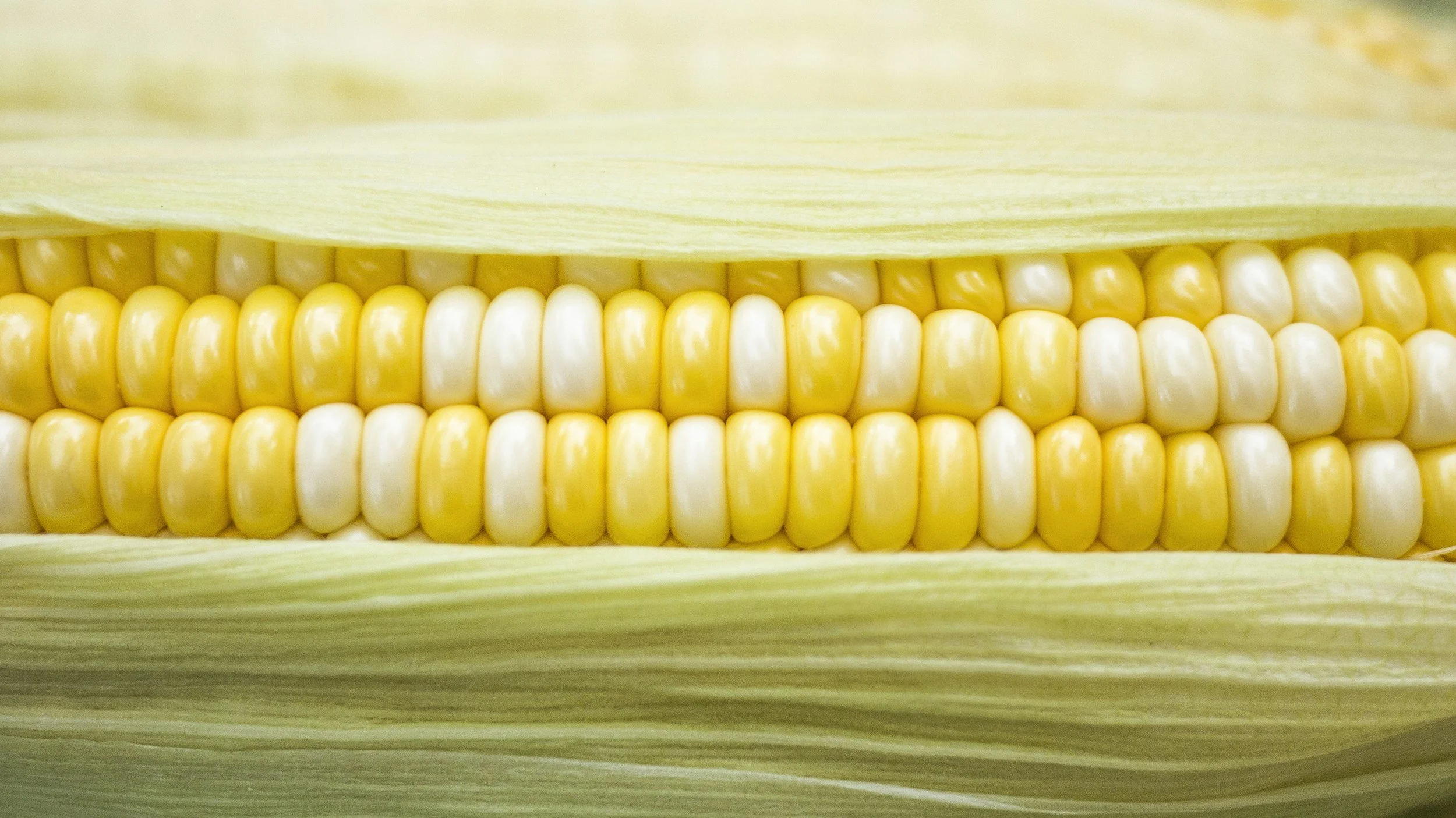
What was the challenge?
Native starch is not a conventional thermoplastic
Native starch is hydrophilic, strongly hydrogen-bonded and sensitive to moisture. It does not naturally provide the same melt-processing window, dimensional stability or wet-use performance as conventional plastic resins. The engineering challenge is to make a starch-based material process consistently and perform for the intended service life.
- Conventional starch-material approaches often rely on plasticizers, chemical modification, polymer blends or other processing aids.
- Those approaches can be useful, but they create different material systems with different end-of-life behavior.
- Corn Next chose to develop a starch-centered material platform with a different processing route.
We rearranged it temporarily
- Corn Next developed a patented enzyme-assisted fermentation and material-conditioning process.
- The process is designed to control processability, forming behavior and application performance without relying on conventional petroleum-based plastic resin as the primary matrix.
- We describe the formulation, process window and molecular-level mechanism only as far as our analytical data and patent disclosures support.
It stays a polysaccharide the whole way through
Feedstock → material → molded part. It stays a polysaccharide, the same class of molecule your own body is built from, and the reason all of them break down in nature.
- Starch-derived natural base material
- No conventional plastic resin in the certified straw formulation
- End-of-life claims reported with the relevant test method and conditions
Why are we special?
| CornNext-17 | Fiber + binder | Wood pulp | Bio-sourced plastic | Petroleum polymer | |
|---|---|---|---|---|---|
| What it is | Rearranged corn starch | Fiber plus binder | Cellulosic fiber material | Polymer made partly or fully from biomass feedstocks | Synthetic polymer made primarily from fossil feedstocks |
| Binding agent | None | PLA or PHA glue | Yes, adhesive | N/A | The polymer itself is the matrix |
| End-of-life behavior | As little as 30 days in the natural environment | Varies by fiber, binder, coating and environment | Varies by treatment, coating and environment | Varies by polymer and disposal route | Generally persistent unless collected and managed |
| Industrial composting | Yes, BPI (CMA pending) | Varies | Yes | Yes | No |
| Runs on existing tooling | Extrusion, injection molding and 3D printing platforms with application-specific modifications | Separate process | Separate process | Partial | Yes |
| Right job for it | Selected short-life applications | Fiber-based products and composites | Paper / fiber products | Durable goods | Medicine, aviation, electronics |
Certification is evidence of performance under defined standards and conditions. It proves the certified claim; it does not replace real-world end-of-life data.
THE FOUNDER
It started with a sailor who kept running into plastic

Randy Zhang races sailboats. Offshore, far from any coastline, he keeps meeting the same thing in the water ahead of his bow: plastic.
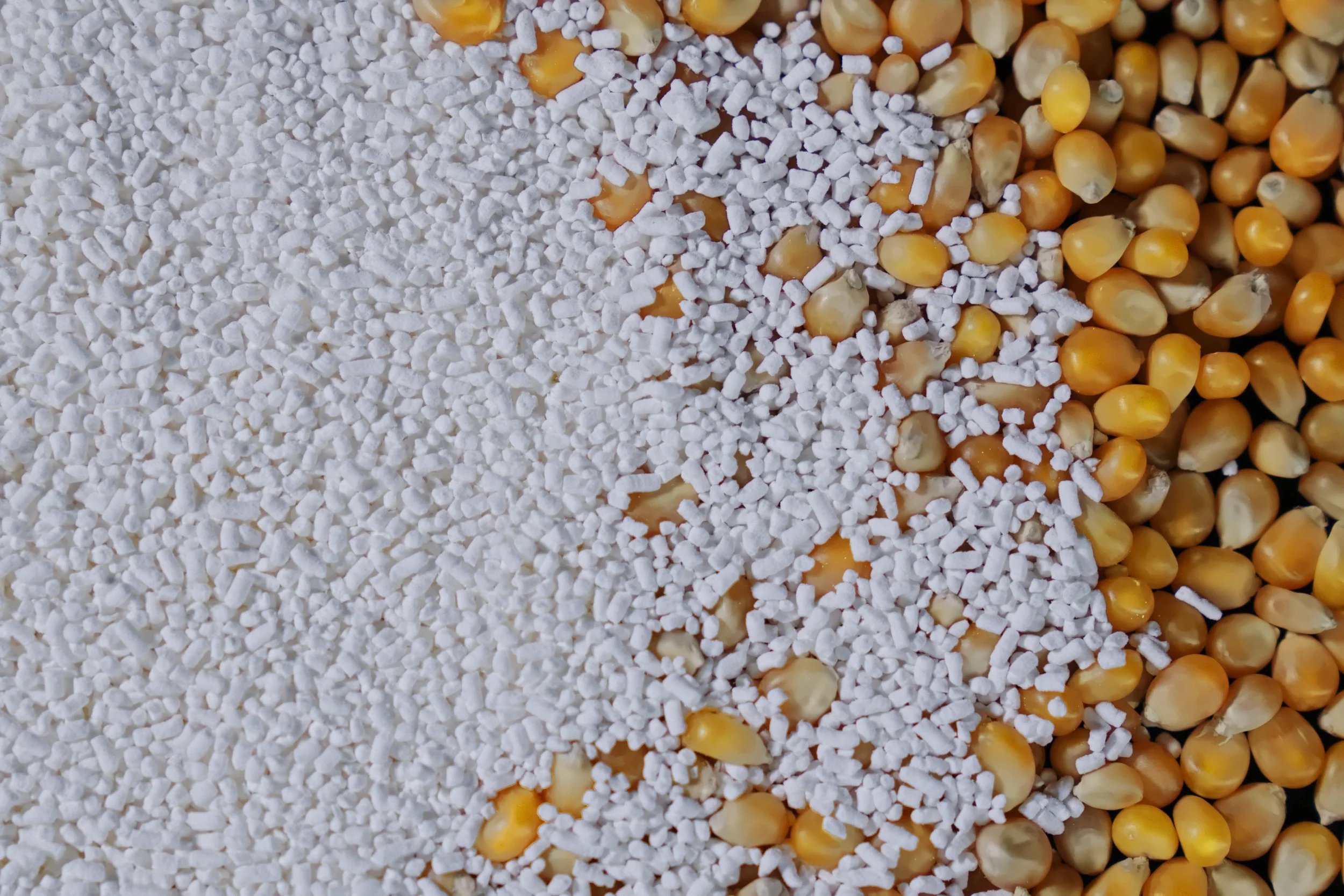
Tell us what you're making.
We'll tell you which one to order.
Send us the process, the geometry and the volume. We'll ship physical samples of the grade that fits, with the full certification pack. No cost.