The Plastic Detox: Can We Actually Purge Our Lives of Microplastics?
If you’ve logged into Netflix lately, you’ve likely seen the trending documentary, "The Plastic Detox." Released on March 16th, it follows six couples struggling with unexplained infertility as they undergo a grueling 90-day challenge: removing every trace of plastic and endocrine-disrupting chemicals (EDCs) from their daily lives.
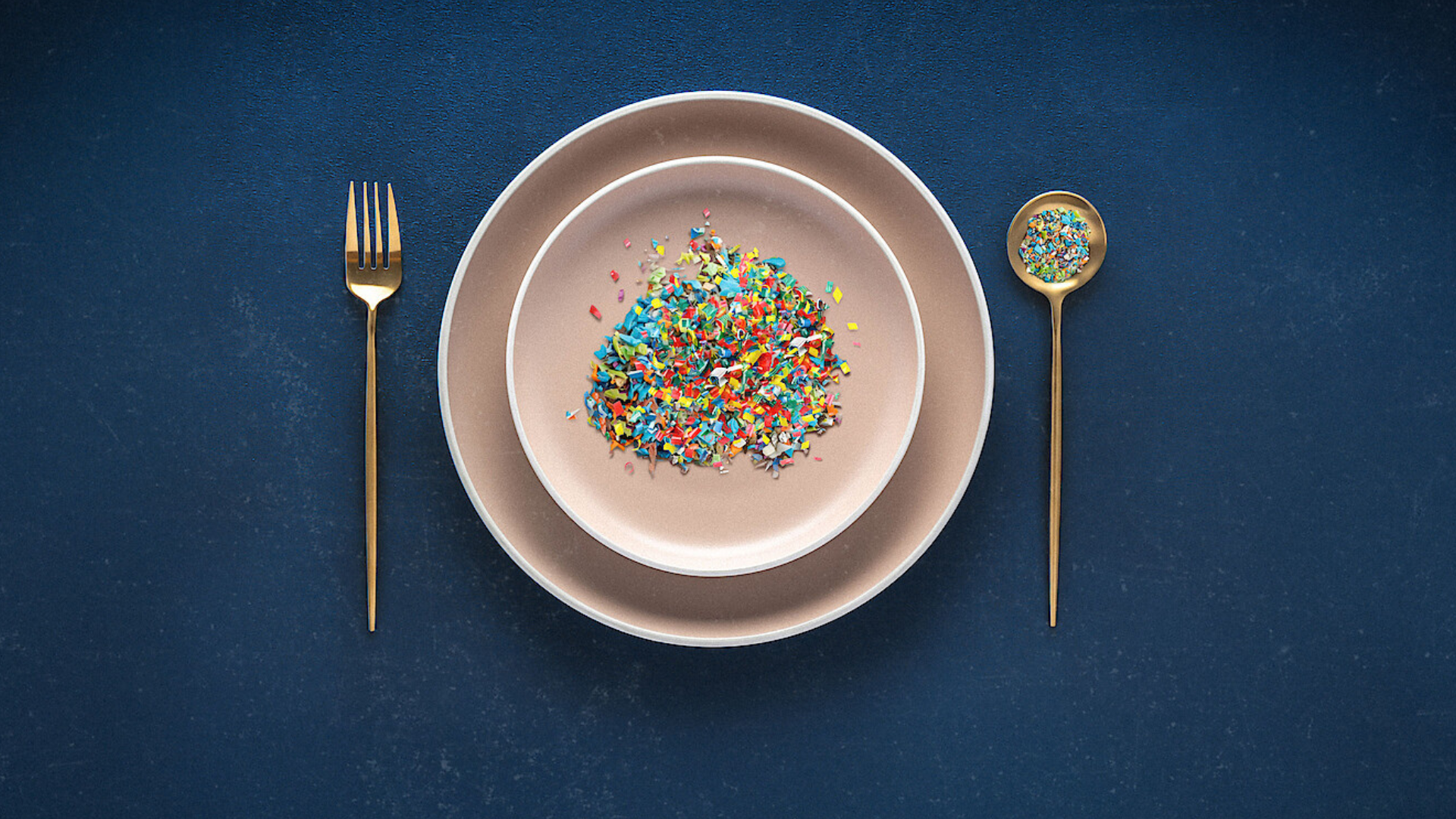
Photo: Courtesy of Netflix
The results were startling. Guided by Dr. Shanna Swan, a leading reproductive epidemiologist, the participants swapped plastic containers for glass and synthetic fibers for natural ones. By the end of the experiment, they saw a significant drop in the chemical levels in their bodies—and some even achieved the pregnancies they had been dreaming of for years.
But for many viewers, the film left behind a lingering question: In a world made of plastic, is a total detox even possible for the rest of us?
You can stream "The Plastic Detox" on Netflix now to see the full journey.
The Problem: It’s Not Just "Trash" — It’s Our Health
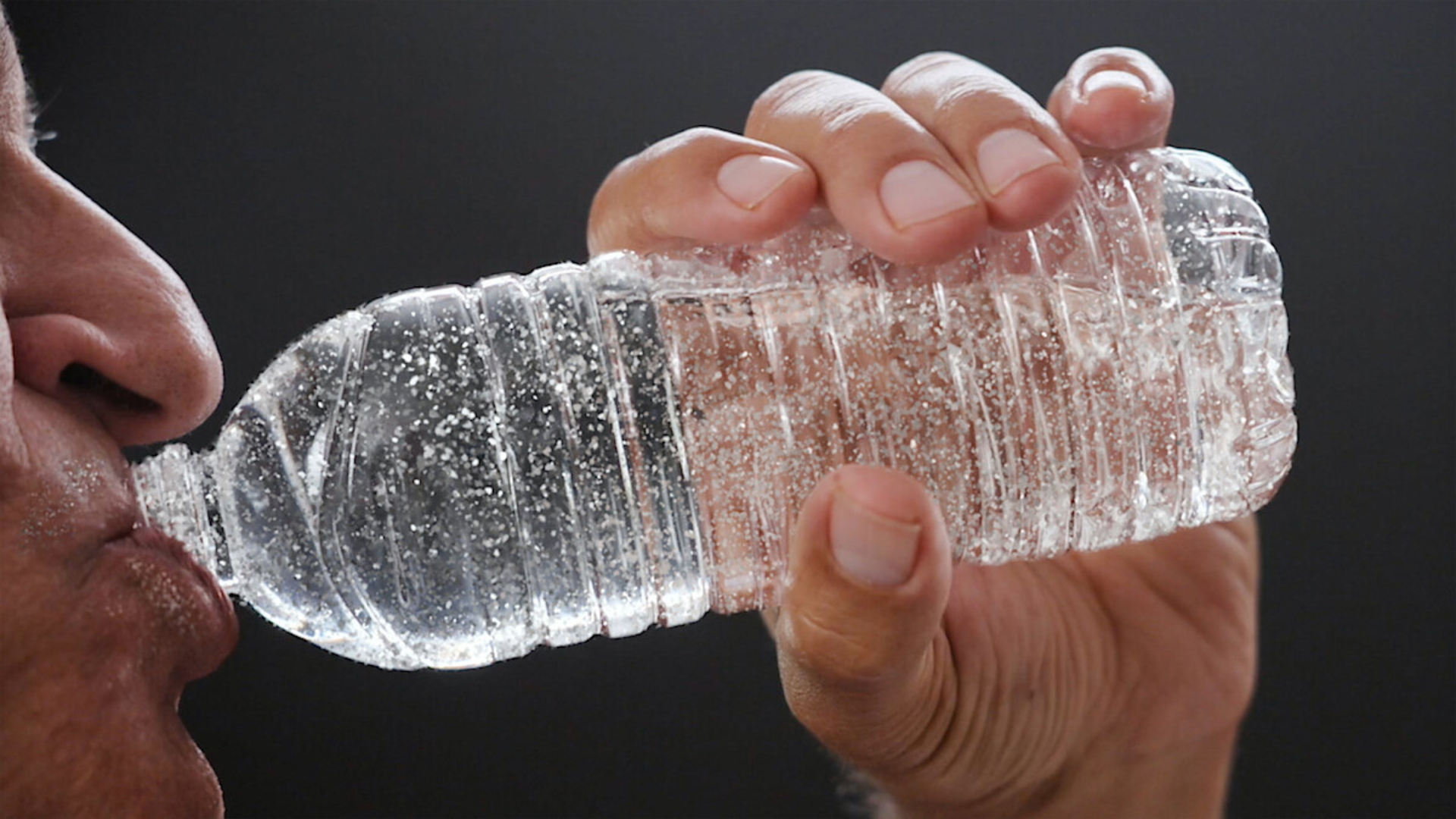
Photo: Courtesy of Netflix
The documentary highlights that we aren't just "using" plastic; we are absorbing it. Microplastics—tiny fragments that break off from larger pieces—and chemicals like Phthalates (which make plastic flexible) and Bisphenols/BPA (which make it hard) are everywhere.
According to Dr. Swan, these chemicals are "endocrine disruptors" that mimic our hormones, interfering with everything from fertility to immune function. As the film reveals, our skin can absorb more than 60% of the chemicals it touches, and heat—like microwaving a plastic container—causes these toxins to leach directly into our food.
The "Whack-a-Mole" Trap
For the average person, "detoxing" feels impossible because most "alternatives" aren't actually clean. The Netflix Tudum feature points out a frustrating reality Dr. Swan calls "whack-a-mole": when manufacturers remove BPA, they often replace it with another bisphenol that carries the same risks. Even many "bioplastics" (like PLA) still require industrial composting and can leave behind synthetic residues that don't truly disappear.
The Solution: A True Detox with CornNext-17

At Corn Next, we watched "The Plastic Detox" with a sense of urgency. The film proves that reducing exposure works—but it also shows how hard it is to find products that are truly safe and don't just "hide" the plastic.
This is why we created CornNext-17. We didn't want to just make another "eco-friendly" plastic; we wanted to eliminate the plastic altogether.
Zero Microplastics & Chemicals: Unlike traditional bioplastics that just break into smaller, invisible pieces, our material is made from just three natural ingredients: corn starch, water, and natural enzymes. There are no Phthalates, no Bisphenols, and no "forever chemicals" (PFAS).
No Chemical Residue: Because we don't use the synthetic polymers or fillers mentioned in the documentary, there are no endocrine disruptors to worry about. It is 100% food-grade and non-toxic—safe for you and your family.
Back to Nature in as little as 30 Days: The documentary shows how it takes a full 90 days to see biological improvements in the human body. At Corn Next, we’ve engineered our materials to move even faster than that. While traditional "compostable" plastics can take months to break down, Corn Next products are designed to fully biodegrade in any natural environment—soil or water—in as little as 30 days. It is a clean cycle that restores the earth faster than a single human detox cycle.
The Takeaway
"The Plastic Detox" is a wake-up call, but as Dr. Swan mentions, we don't have to wait for government regulation to protect ourselves. We can choose better products today.
A plastic-free life doesn't have to mean moving to the woods; it starts with making smart swaps in your kitchen and daily routine. By switching to truly bio-based alternatives like Corn Next, you aren't just saving the ocean—you're protecting your own biology.
Ready to start your own detox? Check out our latest plastic-free, microplastic-free innovations at CornNext.com.