Earth Day 2026: The 60x40 Goal and Why Microplastics Are the Next Frontier
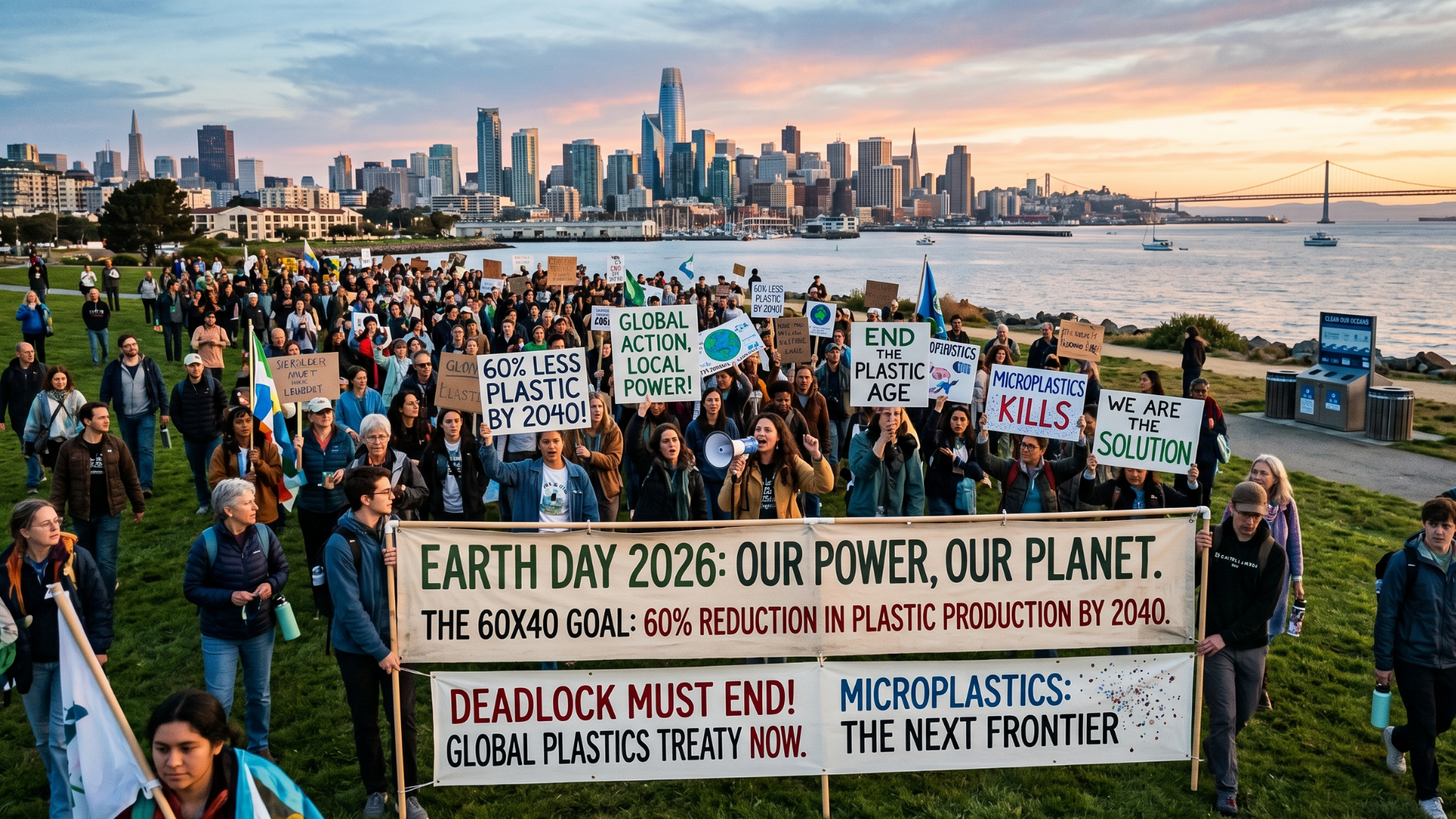
As the sun rises on Earth Day 2026, the global environmental movement has found its most defiant rallying cry yet: "Our Power, Our Planet." This year’s theme is a direct call to civic action—a reminder that real change no longer waits for good-faith negotiations alone. While world leaders continue to navigate the deadlock of the Global Plastics Treaty talks, the 60x40 initiative has become the baseline for our survival. This movement demands a 60% reduction in plastic production by 2040.
For decades, we were told the solution to our plastic crisis lived in our blue recycling bins. However, as we stand here in 2026, the math has failed us. With 95% of plastic in the U.S. still evading the recycling stream—and more plastic produced in the last ten years than the entire 20th century—we have reached a breaking point. We are officially moving past waste management and into the era of production elimination.
The urgency is no longer just about the health of our oceans; it is now about the health of our bodies. Research published in 2026 confirms that microplastics have transitioned from an environmental blight to a biological one—now detected in 80% of human blood samples. These "forever particles" shed from our synthetic clothing and leach from traditional packaging into our food. In 2026, we are finally facing a hard truth: we haven't just polluted the planet—we have become the product itself.
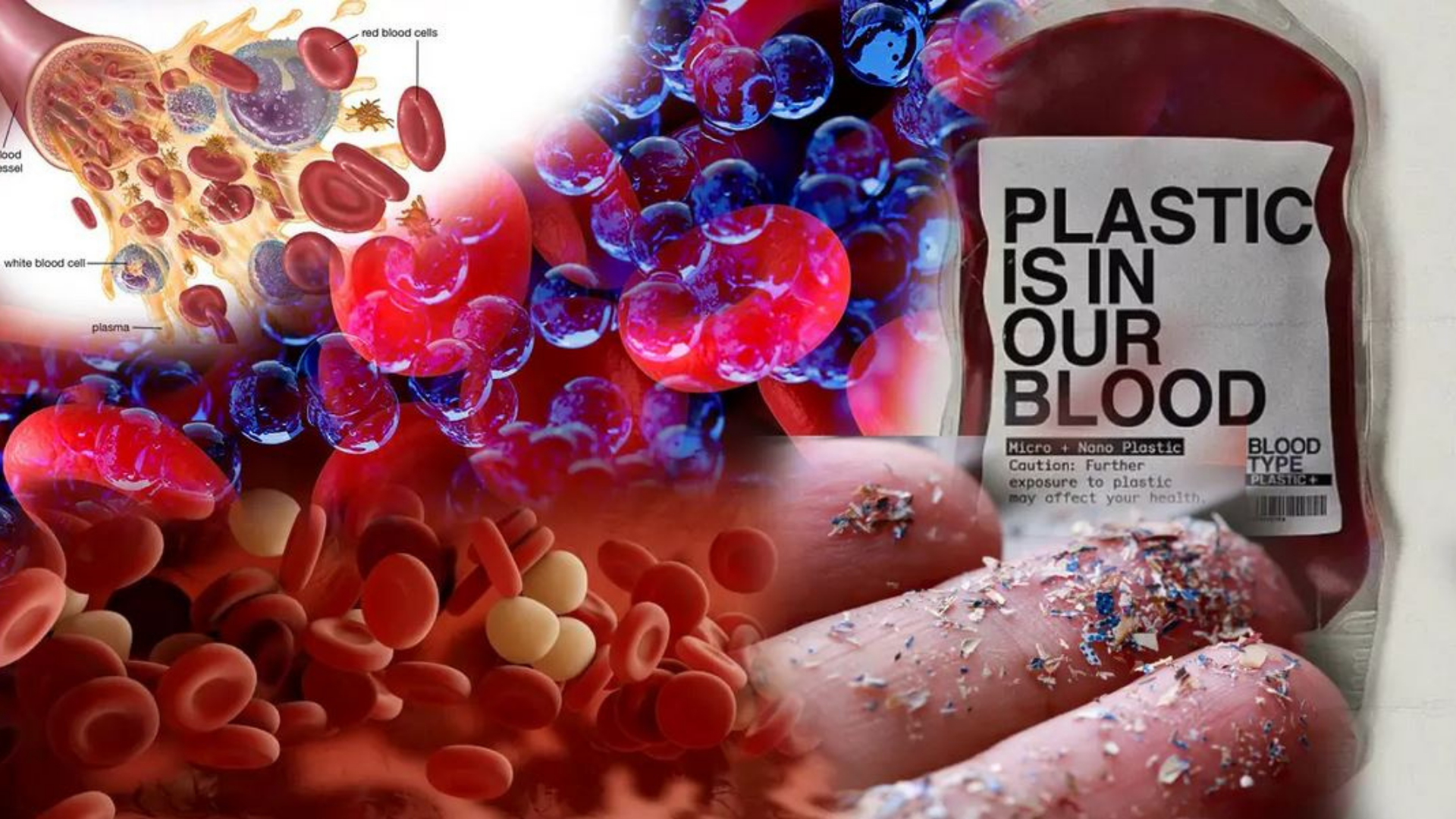
Photo: MediCircle
This is where the mission at CornNext meets the global moment. We believe that true sustainability is not just about the absence of waste; instead, it is about the presence of better design. The 60x40 goal is only achievable if we provide a bridge from the petroleum-dependent past to a bio-innovative future. By championing material innovation, we are proving that plant-based, truly compostable solutions are the only viable path to 2040. We do not just need to use less—we need to design better.
The weight of this transition lives in our collective choices. To win the battle of Planet vs. Plastics in 2026, we must adopt a new set of standards. Here is how we navigate the 5 R’s of a plastic-free future:
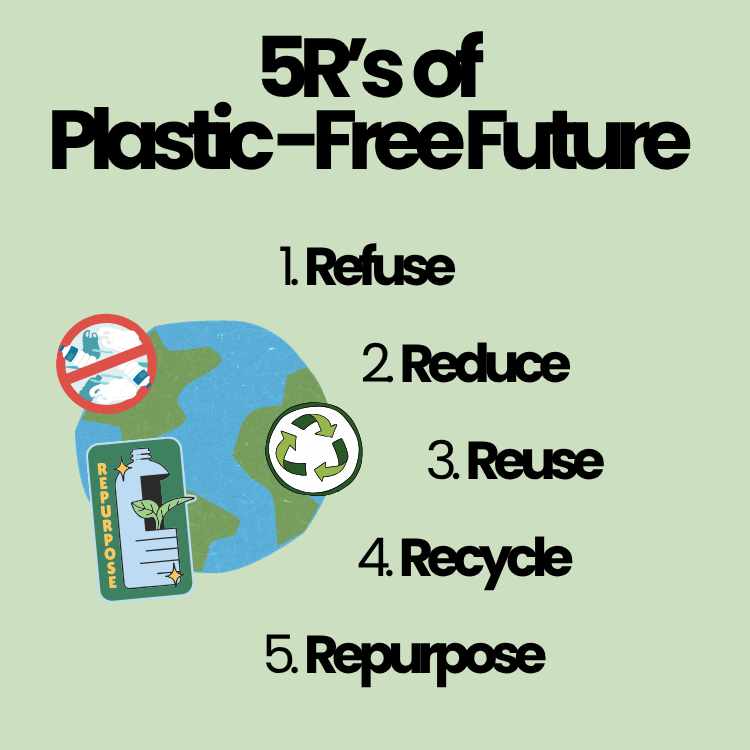
Refuse: Exercise your power as a consumer by saying "no" to things you don't need—like plastic straws, single-use cutlery, and excess packaging—before they ever enter your home.
Reduce: Use less and cut back on consumption. By selecting products with minimal packaging and buying only what is necessary, we conserve resources and generate less garbage.+1
Reuse: Extend the life of your belongings by choosing durable, high-quality alternatives—like metal water bottles and cloth bags—instead of disposables that feed a throw-away culture.
Recycle: As the final step in the hierarchy, ensure that any remaining waste is sorted correctly. While we strive for production elimination, recycling ensures that the plastic we do use is processed into something new rather than left to pollute.
Repurpose: Get creative and find new uses for items that have outlived their original purpose—often called upcycling—to keep waste out of landfills and give materials a second life.
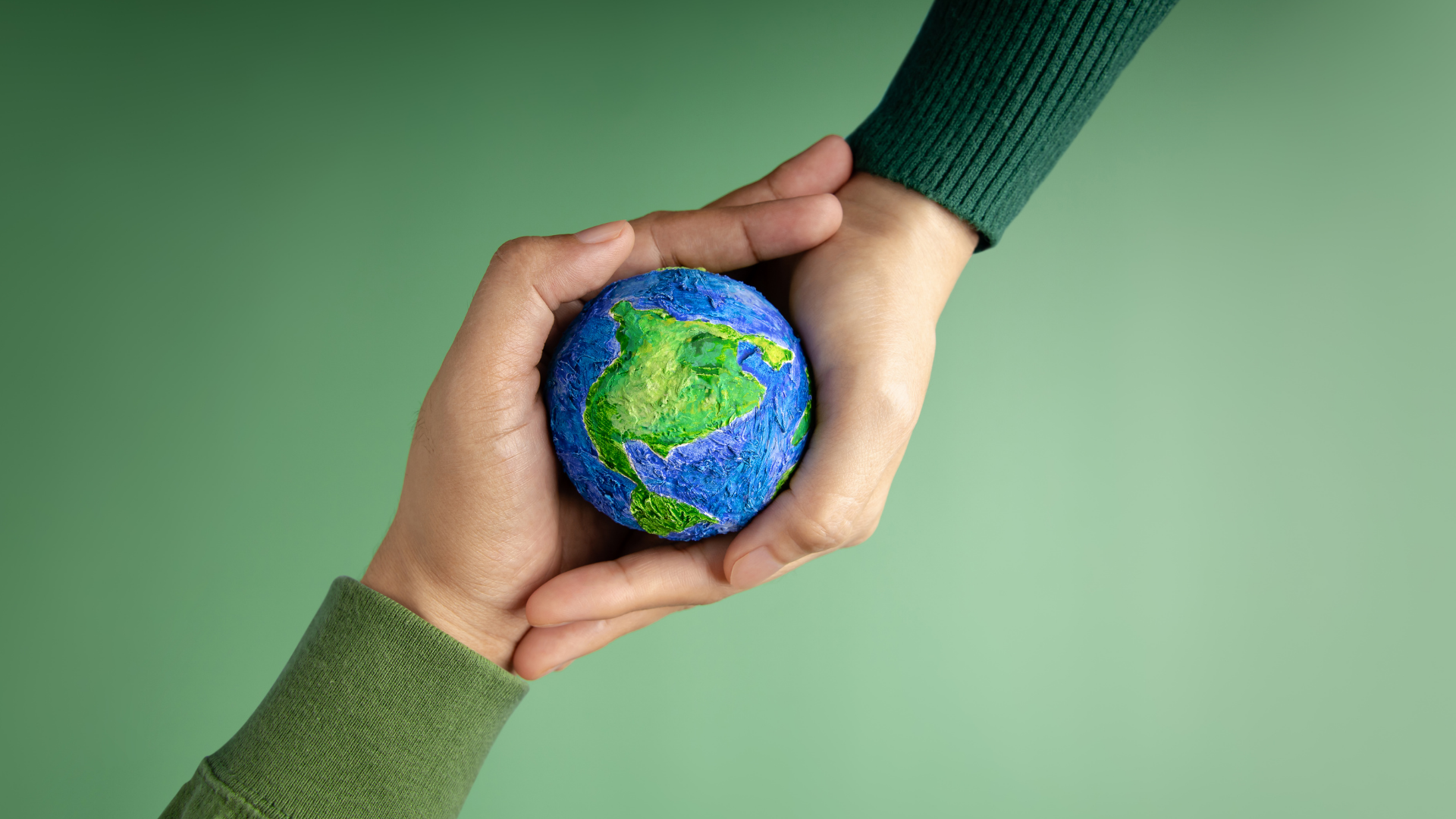
The 60x40 goal is a challenge to our ingenuity. This Earth Day, let's use Our Power to ensure our legacy is the nature we preserved—not the plastic we left behind.