The Future of Materials is Compatible with Life
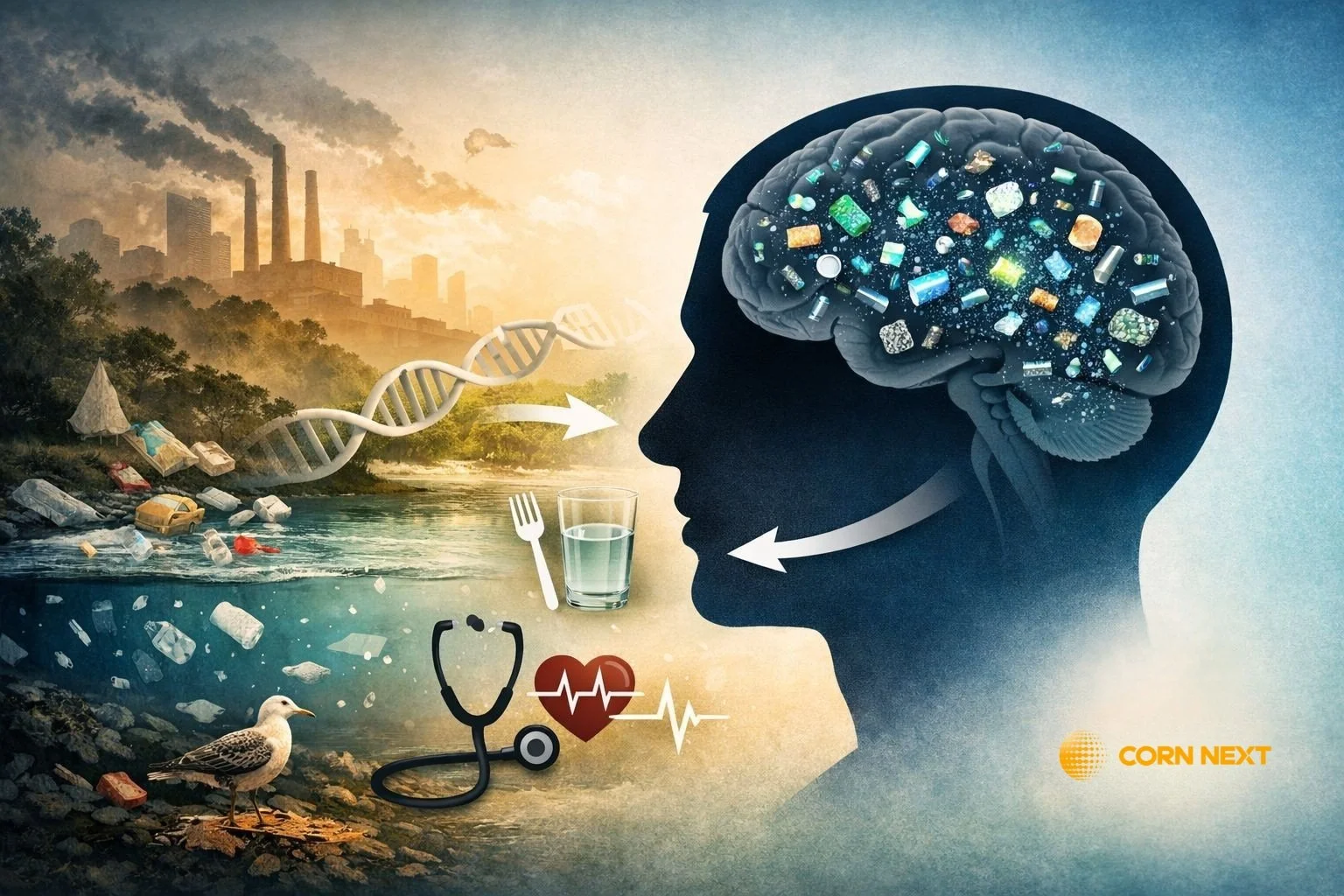
Plastic was designed to be durable, but the human body was not.
A recent study in Nature Medicine reported a reality that should make us all stop and think. Researchers found microplastics and nanoplastics in human organs, including the liver, kidneys, and even the brain. The most common material they found was Polyethylene. This is the exact same plastic used in everyday packaging and disposable products.
What is even more striking is that concentrations are higher in more recent samples. This reflects how quickly plastic is accumulating in our environment and, eventually, within ourselves. This discovery changes the conversation entirely. Plastic pollution is no longer just about our oceans or landfills. It is about whether our materials are actually compatible with life itself.
The Fundamental Mismatch
For decades, the industry focused on making plastic stronger, cheaper, and more durable. But when you use a "permanent" material for a product that is only used for a few minutes, you create a fundamental mismatch with nature.
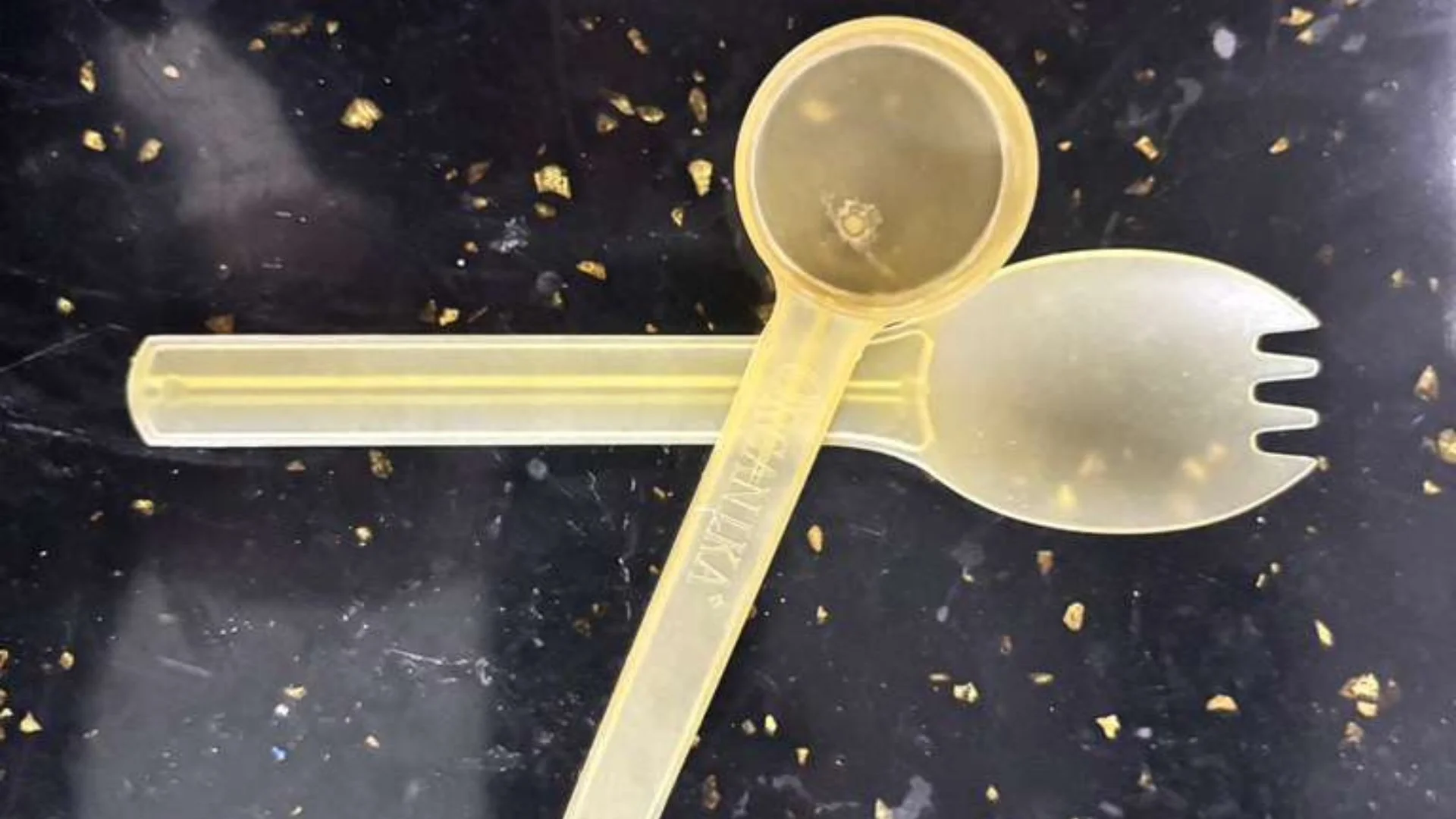
At Corn Next, we experienced this mismatch firsthand. Last year, our team designed a powder scoop using our CornNext-17 material. It looked perfect on paper, but it kept failing fatigue tests. At first, we questioned the material and asked if the corn was simply not strong enough.
After months of testing, we realized the problem was not the material. It was our mindset. We were trying to design a natural material using "plastics thinking." This is a logic built for synthetic chemicals, not for nature. Our CEO made a firm decision late last year that we had to abandon the old rules. We went back to basics and redesigned the product to work with the natural properties of CornNext-17 rather than against them. This time, it passed every test. It proved that you cannot build the future using old rules.
Re-engineering Nature: The 2-Micron Breakthrough
Our journey began with a simple vision: materials that come from the earth and can safely return to the earth. However, we believe the future of material science is not just about swapping one product for another. It is about re-engineering the polymers themselves.
After years of research and development, our team is thrilled to share a massive milestone. We have successfully milled our CornNext-17 material into an ultra-fine, 2-micron powder. Even more exciting is that we have achieved stable cationization.
For those outside the lab, this matters because it transforms our material from a "plastic replacement" for items like straws into a versatile, bio-based functional polymer. This breakthrough allows us to enter high-value industrial sectors that have relied on petrochemicals for decades. We are now positioning our corn-based technology to perform in:
Paper and board manufacturing
Textile and fiber processing
Advanced coatings and adhesives
Water treatment and filtration
A Greener Future for Industry
The materials we choose do not just disappear. They accumulate in our world, and ultimately, they accumulate in us. Today, our vision is expanding from simple molded items into the very fabric of modern industry. We are harnessing nature’s sophisticated molecular architecture and enhancing it through smart science to meet industrial needs without harming the planet.
The future of industrial polymers is greener than we ever thought possible. If you are working in functional coatings, paper chemicals, or sustainable R&D, we want to connect. The shift starts at the source, and we are ready to build a future that is finally compatible with life.