

PARTNERS + INVESTORS
Your process.
Our material.
CornNext‑17 was engineered around the machines that already exist.
Four ways to work with us, depending on where you sit in the chain.
EQUIPMENT
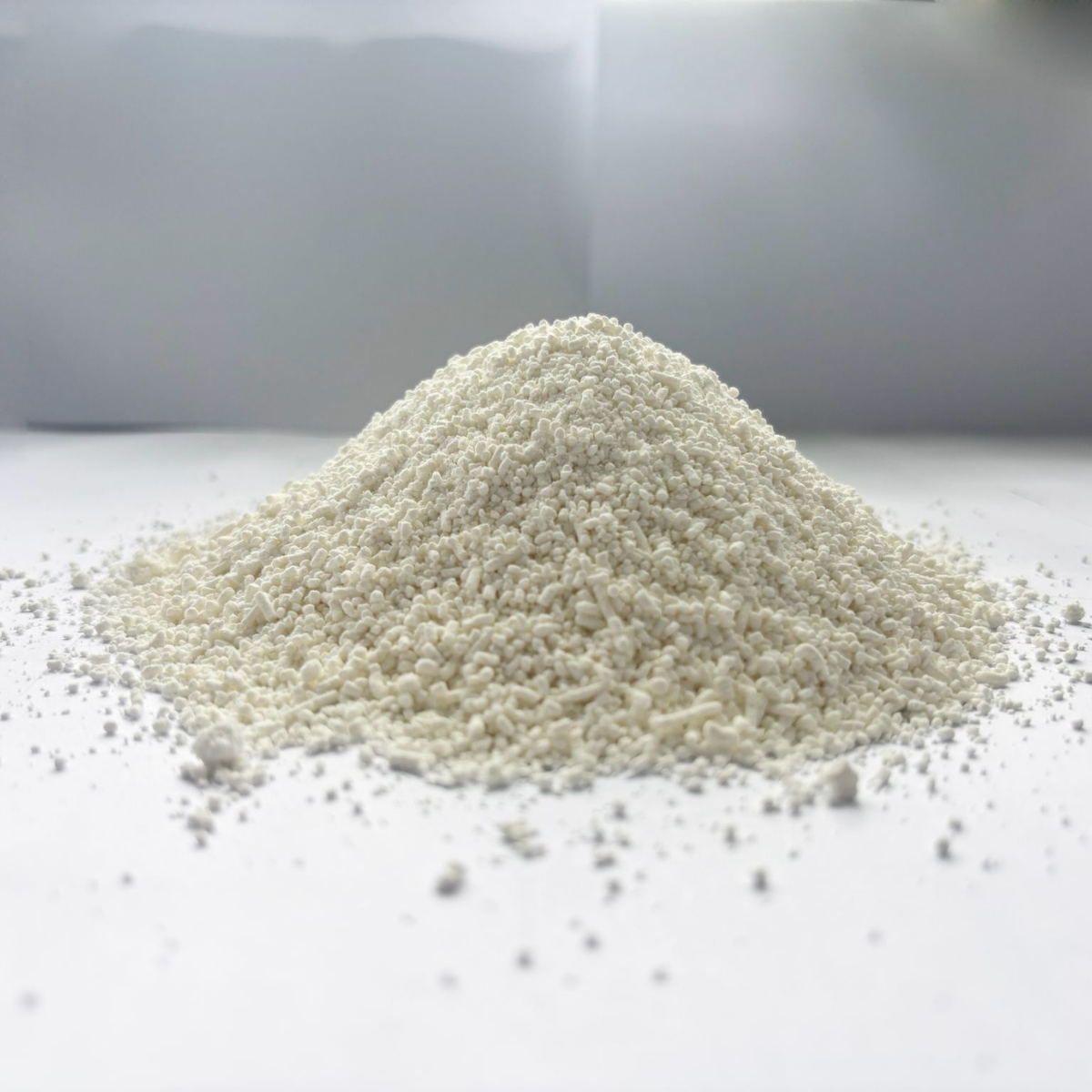
You don't need a new factory. You just need new pellets.
Material changes usually require process changes. For CornNext-17, existing extrusion or injection-molding platforms may be usable, but compatibility must be evaluated line by line. Screw geometry, molds, cooling method, drying, temperature profile and other parameters may require adjustment.
Every forming machine shares the same front end: a screw and a barrel. Only the back end differs: injection, extrusion, fiber. That is why a material that runs on one runs on the others, and why adapting a line is a matter of components rather than capital equipment.
Retrofit versus new equipment is an engineering and economic decision. It depends on the condition of the existing line, target output, tooling requirements, conversion cost and the amount of validation work required.
Existing equipment platform → material-specific adjustments → process validation → qualified CornNext-17 application
Plastic moved to PLA and PHA the same way: a component upgrade, not a new plant. CornNext‑17 is no different.
FOUR WAYS IN
Where do you sit in the chain?
Manufacturing
Evaluate CornNext-17 on your production line. We support material selection, process-window development, tooling fit and first-article validation.
Distribution
Commercial agreements for finished products or materials can be structured by market, application and volume, with supporting certification documentation where applicable.
Wholesale, retail & foodservice
Non-durable goods made from CornNext-17. Already through Faire, RangeMe, US Foods and UNFI.
Investors
Approved into USDA Section 9003, a material platform rather than a product, drawing on a supply chain that already exists at scale.

FOR INVESTORS
Why now?
Four things that are true right now:
USDA Section 9003
Corn Next has been approved into the program. With a US production line in place, it carries federal loan guarantees of up to $250 million.
A platform, not a product
Commercial grades currently cover extrusion, injection molding, 3D printing and 2-micron cationic particles. Fiber and agricultural-residue pathways remain in R&D until performance and scale are validated.
A supply chain that already exists
Corn starch runs on mature industrial infrastructure across multiple continents, unlike seaweed, algae or waste-derived feedstocks, where supply is the constraint that kills the business model.
A process advantage that compounds
Fermentation and enzyme-assisted processing are part of Corn Next’s core technical capability. Future material families may use related processing know-how, but each new feedstock and application will require its own validation.
THE OBVIOUS QUESTION:
"Aren't you taking food to make packaging?"
It's the first question we get in Europe, and it deserves a real answer.
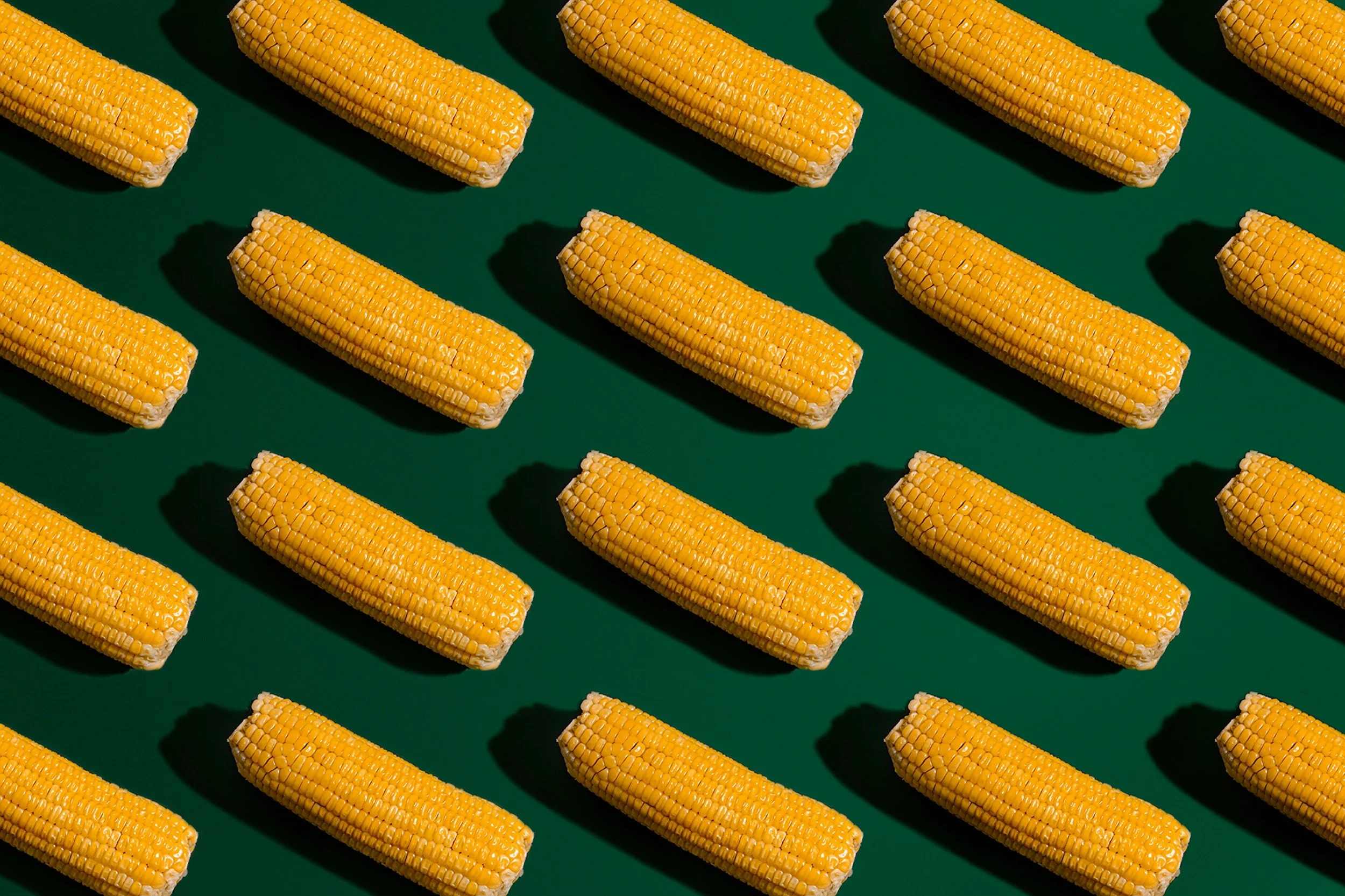
The world grows roughly 1.2 billion metric tons of corn a year. Only a fraction of it goes to human food. The rest already goes to industry and to animal feed: corn syrup, the ethanol in your gasoline, building materials and more.
Most of it is field corn grown for feed and industry, not sweet corn for the table. CornNext-17 is made from industrial corn starch, the same grade already used in paper, textiles and pharmaceuticals.
PARTNERS:
Tell us where you sit.
We’ll tell you how to start.
Manufacturer, distributor, buyer or investor: send us your process and volume, and we'll route you to the right grade, the right dossier or the right room.